Blog / Waipahu Mazda Dealer

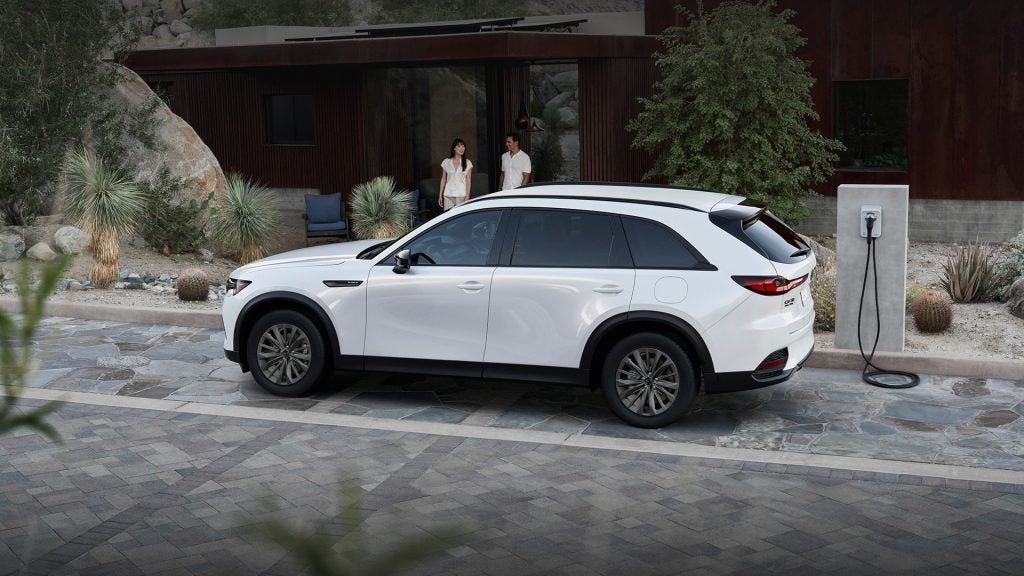
Mazda CX70 Plug In Hybrid Ownership Explained

Mazda CX70 Plug In Hybrid ownership becomes easier to understand once drivers see how charging, electric driving range, regenerative braking, and gasoline backup operation work together during everyday commuting. Many drivers researching electrified SUVs are not trying to eliminate gasoline completely. Instead, they are evaluating whether a plug in hybrid setup can reduce fuel usage during shorter trips while still maintaining traditional long distance travel flexibility. The drivetrain inside this electrified Mazda SUV combines battery propulsion and gasoline operation into one coordinated system that changes how acceleration, charging, braking, and commuting function throughout daily driving.

How the Plug In Hybrid Drivetrain Works

The Mazda CX70 Plug In Hybrid uses both an electric motor and a gasoline engine to propel the SUV. Unlike a traditional hybrid, the battery pack inside this electrified configuration can be externally charged through charging equipment connected to either household outlets or higher voltage charging stations.

During lower speed driving and shorter commuting distances, the electric motor can power the vehicle independently while battery energy remains available. During stronger acceleration or higher speed travel, the gasoline engine can activate and work alongside the electric motor to provide additional propulsion.

Drivers researching Mazda CX70 Plug In Hybrid ownership sometimes assume the vehicle stops functioning once battery range reaches zero. That is not how plug in hybrid systems operate. Once usable electric range becomes depleted, the drivetrain transitions into traditional hybrid operation where the gasoline engine assumes a larger propulsion role while regenerative braking continues recovering smaller amounts of electrical energy during driving.

The coordination between both propulsion sources is electronically managed through onboard control modules monitoring throttle position, driving speed, battery charge levels, acceleration demand, and traction requirements. Instead of forcing drivers to manually switch between propulsion methods constantly, the drivetrain continuously balances electrical power and gasoline operation automatically.

Electric propulsion also changes acceleration feel. Electric motors generate torque immediately during throttle input because electrical propulsion does not require engine rev buildup before producing forward movement. Drivers transitioning from traditional gasoline SUVs may notice smoother low speed acceleration and quieter stop and go commuting movement during battery powered operation.

How Charging Methods and Charging Speeds Work

How long does charging take? Charging speed changes based on charging voltage, amperage delivery, battery temperature, and charging equipment type.

Level 1 charging uses a standard household outlet. This charging method supplies lower voltage and slower battery replenishment, though it allows overnight charging without requiring specialized home charging installation. Drivers returning home in the evening can connect the SUV overnight and begin the next morning with replenished battery range available for shorter commuting cycles.

Level 2 charging increases charging speed substantially by using higher voltage charging equipment commonly installed in garages, public charging locations, commercial parking areas, and residential charging setups. Faster charging reduces the amount of time required to replenish battery energy between driving sessions.

Drivers evaluating charging practicality should examine:
• average commuting distance
• overnight parking access
• nearby charging availability
• charging frequency expectations
• home electrical setup

The plug in hybrid SUV does not require charging to continue operating because the gasoline engine remains available after battery depletion. However, consistent charging allows drivers to maximize electric commuting range and reduce gasoline usage during shorter driving cycles.

Many competitor articles oversimplify charging discussions without explaining how charging routines integrate into daily commuting habits. Plug in hybrid ownership differs from full EV ownership because charging supplements gasoline operation instead of completely replacing it.

How Regenerative Braking Replenishes Battery Energy

Regenerative braking converts vehicle momentum into electrical energy during deceleration. Instead of allowing braking energy to dissipate entirely as heat, the drivetrain redirects part of that energy back into the battery pack.

When the driver lifts off the accelerator or applies braking pressure, the electric motor temporarily changes function and begins operating as a generator. As the wheels continue rotating during deceleration, rotational energy transfers into the motor assembly and converts into electrical current stored inside the battery.

This energy recovery process becomes more noticeable during urban commuting because repeated slowing and braking cycles create more opportunities for battery replenishment. Drivers navigating stop and go Honolulu traffic may experience more regenerative energy recovery than drivers spending most of their time at steady highway speeds.

Regenerative braking changes:
• braking feel
• energy recovery timing
• battery replenishment frequency
• stop and go efficiency
• low speed commuting operation

The system does not fully recharge the battery independently, though it continuously supplements battery energy throughout driving. Most competitor articles mention regenerative braking without explaining how energy conversion occurs mechanically. The electric motor itself becomes part of the charging process during deceleration.

Drivers transitioning from traditional gasoline vehicles may also notice a slightly different braking sensation because regenerative braking begins slowing the SUV before conventional friction brakes fully engage.

What Happens After Electric Range Is Depleted?

What happens after battery range becomes depleted? The drivetrain continues operating normally using the gasoline engine alongside hybrid energy recovery operation.

The SUV does not become stranded once electric range reaches zero. Instead, battery reserve reaches a lower operating threshold where gasoline propulsion becomes more active while regenerative braking and hybrid coordination continue managing smaller electrical energy reserves automatically.

This transition changes how the drivetrain distributes propulsion during:
• highway acceleration
• stop and go commuting
• hill climbing
• passing movement
• sustained highway travel

Drivers may still experience battery assisted acceleration after depletion because regenerative braking continues recovering energy during deceleration. The system continuously redistributes available electrical energy where beneficial during driving.

Plug in hybrid ownership differs substantially from full EV ownership because drivers maintain gasoline refueling flexibility during longer travel. Charging remains beneficial for maximizing electric commuting range, though ownership does not rely entirely on charging infrastructure access.

The drivetrain continuously balances electrical propulsion, gasoline operation, regenerative energy recovery, and battery reserve management throughout changing driving conditions.

How Hawaii Driving Patterns Fit Plug In Hybrid Ownership

Many commuting routes throughout Honolulu and surrounding areas involve shorter travel cycles combined with heavier traffic slowing and repeated braking movement. Those driving patterns naturally support regenerative braking operation and battery assisted commuting efficiency.

Drivers evaluating the Mazda CX70 Plug In Hybrid should examine how their daily driving routines align with electric commuting range and charging opportunities. Shorter commuting distances may allow some drivers to complete substantial portions of daily travel using battery propulsion before gasoline operation becomes more active.

Important ownership considerations include:
• average daily mileage
• home parking access
• charging availability
• traffic frequency
• highway versus urban driving balance

The electrified drivetrain also changes how the SUV feels during lower speed commuting. Quieter acceleration, smoother stop and go movement, and reduced engine cycling create a different driving impression than traditional gasoline only SUVs.

Plug in hybrid ownership is not solely about fuel reduction. The drivetrain changes how charging, braking, acceleration, energy recovery, and commuting operation function throughout everyday driving while still maintaining long distance travel flexibility through gasoline backup operation.
Posted in:

Related Posts

CX-50 Hybrid Range for Weekend Driving Across Oahu

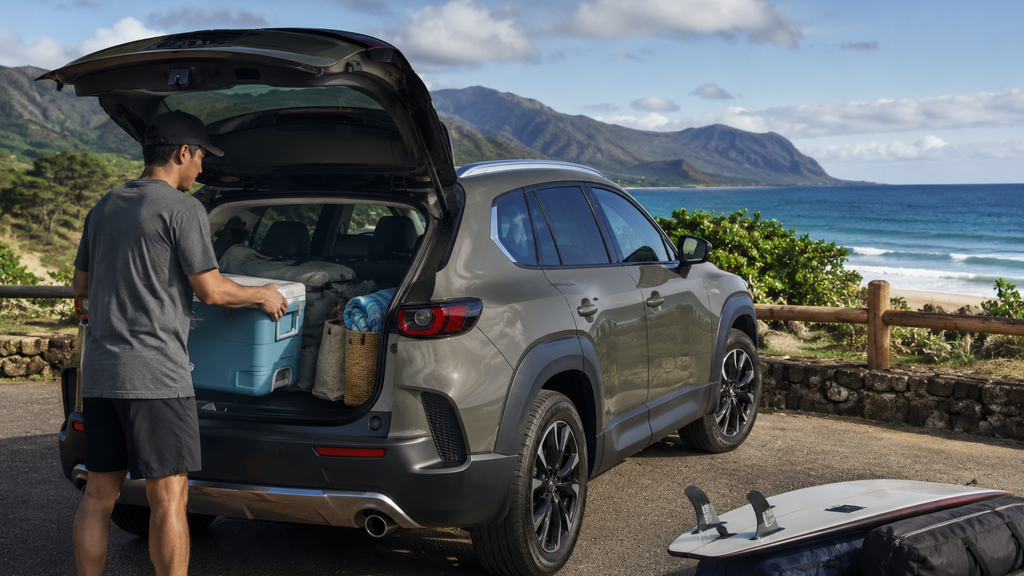
CX-50 Hybrid range can support several Oahu weekend trips before fuel becomes part of the plan. Mazda lists an EPA estimated 551 mile total range for the 2026 CX-50 Hybrid. However, that number gives useful scale, but it is not a fixed promise for every trip. Traffic, speed, passenger load, hills, and climate control can change fuel use. Therefore, island trip planning works best when you treat the estimate as a guide. The more useful question is how that range fits your usual stops, gear, and route. What the CX-50 Hybrid Range Figure Means The published range combines fuel economy with the amount of fuel the CX-50 Hybrid can carry. Mazda lists 39 MPG city, 37 MPG highway, and 38 MPG combined for the 2026 model. Additionally, those figures come from standardized EPA testing. Therefore, they give shoppers a common reference point across different vehicles. What does 551 miles mean for an Oahu weekend? It means one tank has far more projected distance than most single island outings require. Still, a day across Waipahu, Honolulu, the North Shore, and several stops covers only part of that estimate. more However, personal results can move above or below the published number. Faster highway travel can use fuel differently from slower traffic. Moreover, added passengers and cargo increase the energy needed to move the CX-50 Hybrid. In addition, air conditioning adds another demand on the powertrain. For this reason, think of the range figure as planning room. It can show how many short outings may fit between fill ups. It should not become a target you try to reach before stopping for fuel. How Hybrid Operation Changes Across an Oahu Route The CX-50 Hybrid combines a 2.5 liter gasoline engine with three electric motors and a hybrid battery. An eCVT manages how the engine and motors share propulsion. Because power demand changes throughout a trip, the mix can change from one road segment to another. Why can fuel use change between traffic and faster roads? Lower speed travel can give the electric side more chances to assist propulsion. Braking can also send some energy back toward the hybrid battery. At higher speeds, the gasoline engine may carry more of the load. That does not require the driver to manage the handoff. The CX-50 Hybrid controls the mix while you drive. Therefore, the useful task is watching your route and fuel level, not trying to force one type of propulsion. Oahu makes that easy to visualize. A weekend drive may begin with slower streets near Waipahu, move onto H-1, then return to local roads. Each section asks for a different amount of power. As a result, your trip may not match one simple city or highway number. Furthermore, the eCVT keeps power delivery smooth as demand rises or falls. Instead of fixed gear changes, it can vary the ratio continuously. That supports steady acceleration when traffic opens and lower power demand when speeds settle. Is the CX-50 Hybrid Range Enough for Weekend Oahu Driving? The 551 mile EPA estimate gives drivers far more projected distance than a typical single island outing requires. Oahu is compact enough that most weekend routes cover a fraction of that number. Therefore, fuel planning becomes more about reserve and convenience than reaching a distant station. For this reason, plan around the trip you intend to take. Add the main destination, extra stops, and the return route. Then leave room for detours, traffic changes, and another short errand. A few planning habits keep the range number useful: Start with the fuel level you already have instead of assuming a full tank. That gives your route estimate a more realistic starting point. Add extra distance for side trips, missed turns, or an unplanned stop. That keeps your fuel reserve from shrinking too far. Watch the vehicle range display as the weekend develops. Use it as one reference alongside the fuel gauge and your planned route. Because Oahu trips can involve several short drives in one day, repeated starts and stops also matter. A beach visit, meal stop, shopping trip, and return home may create several separate drive cycles. Therefore, think about the whole weekend instead of one destination. How Much Weekend Gear Fits in the CX-50 Hybrid? Cargo fit comes from rear storage volume, seat position, and the shape of the items you bring. Current specifications list about 29.2 cubic feet behind the rear seats. That gives the CX-50 Hybrid room for bags, coolers, beach items, and other weekend gear. How does cargo change trip planning? Consequently, more weight asks the powertrain to move a heavier load. The change may be small for a few bags. However, several passengers plus a full cargo area can shift your personal fuel results. In addition, the rear seat layout matters. Folding part of the second row can open more length for larger items. In addition, keeping one seat upright can preserve space for a passenger beside longer gear. Before a weekend trip, think through the load in the order you will use it: Put heavier items low and close to the seatbacks. That keeps the load stable and leaves smaller items easier to reach. Keep frequently needed bags near the hatch opening. You can reach them without unloading the entire cargo area. Check rear visibility before leaving. Tall cargo should not block the view more than necessary. Therefore, the best cargo check happens before you need the space. Bring a cooler, suitcase, stroller, or beach bag during a showroom visit. That shows how your own gear fits better than a volume number alone. What eAWD and Drive Modes Add to Weekend Routes The CX-50 Hybrid uses electronic AWD with electric power available at the rear axle. That setup can send power where the drivetrain needs it without a mechanical driveshaft running front to rear. As a result, the hybrid arrangement still powers all four wheels. What does that add during an Oahu weekend? Wet pavement, sloped access roads, and uneven parking areas can ask for more traction. Electronic AWD can respond as grip changes. Therefore, it adds another layer of control without asking you to manage front and rear power yourself. Mi Drive also includes Power Mode and Trail Mode. Power Mode sharpens response when you want quicker acceleration. Trail Mode adjusts power delivery for loose or uneven surfaces. Each setting changes how the CX-50 Hybrid responds to a specific driving task. Still, those modes are not required for every trip. Instead, they give you more control over how the CX-50 Hybrid responds when the route changes. A paved beach lot, a steeper road, or a quick merge may call for different inputs. Before choosing the CX-50 Hybrid, test the features that match your own weekend plans. Try a highway merge, a hill, a slower turn, and a rougher parking surface if available. Also check cargo access and rear seating with the people or gear you carry most. CX-50 Hybrid range gives Oahu drivers generous planning room for weekend travel. The stronger decision comes from looking at range, cargo, passenger load, route type, and traction together. When those pieces fit your routine, the hybrid can support long days around the island with fewer fuel stops.

Mazda3 Sedan Daily Driving Around Waipahu and Oahu

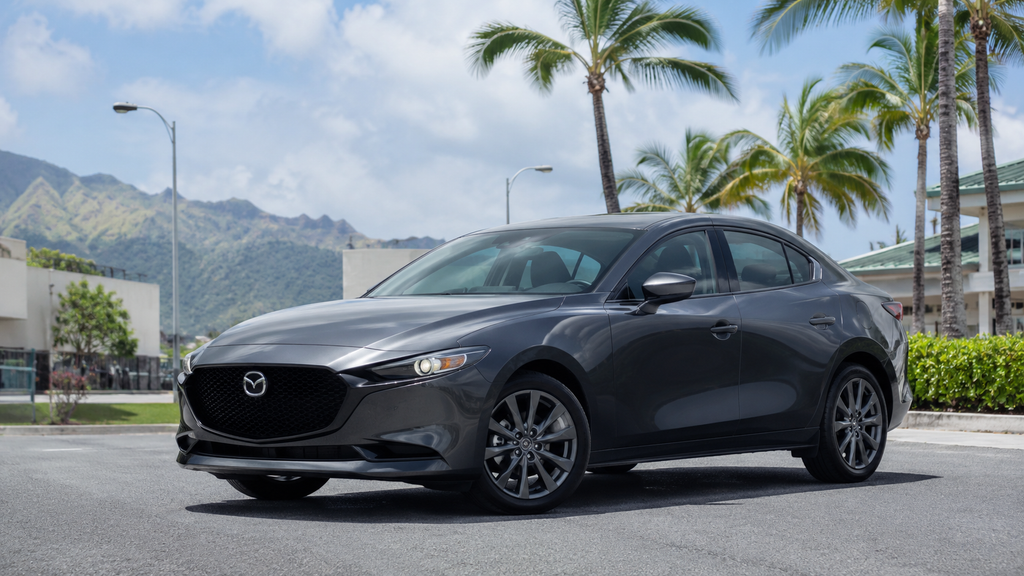
Mazda3 Sedan daily driving around Waipahu can combine compact sizing, supportive seating, and a traditional trunk for everyday routines. In addition, the sedan keeps controls close and places the driver low enough to feel connected to the road. That layout can matter when your week includes traffic, parking lots, errands, and regular passenger trips. Therefore, a useful test drive should look beyond trim names and focus on how the car fits your routine. How the Mazda3 Sedan Driving Position Fits a Daily Commute Mazda places strong emphasis on seat position, steering reach, and pedal placement. Together, those elements shape how naturally your body moves during a drive. Because commuting repeats the same motions, a comfortable setup can reduce the need for constant repositioning. Why does driving position matter on a normal trip? Your shoulders, hips, knees, and hands all work together while steering and braking. A seat that sits too far back can stretch your arms. A seat that sits too close can crowd your knees. Therefore, the goal is a position that keeps your joints relaxed while controls remain easy to reach. more The Mazda3 Sedan also places the steering wheel and primary controls within a compact cockpit. In addition, the low dashboard can support a clear view ahead. Set the seat first, then adjust the wheel and mirrors. That order gives you a better sense of whether the cabin fits your body. During a Waipahu commute, pay attention to how your posture feels after several turns and stops. Furthermore, notice whether you can use the pedals without lifting your heel. Small details like these matter more after repeated trips than during a brief showroom sit. Is the Mazda3 Sedan Easy to Park Around Waipahu? Its compact body and clear front placement support controlled low speed maneuvering in tighter spaces. The sedan shape also gives you a defined trunk behind the rear seats. However, the rear deck may not sit within your direct sightline from the driver seat. How easy is it to judge the back of the car? The answer comes from mirrors, the rear camera, and your sense of distance. Therefore, try a normal parking space before testing a tighter one. Notice how much steering input the car needs and how quickly the nose changes direction. Rear Cross Traffic Alert can add another layer of awareness while backing from a space. The feature watches for traffic moving behind the car and can provide a warning. In addition, the rear camera gives you a direct view of the area behind the bumper. A parking test should also include backing beside larger SUVs or trucks. Their height can block your side view before you clear the space. For this reason, move slowly and watch how the camera and mirrors work together. Mazda3 Sedan daily driving around Waipahu may involve crowded lots, garages, and neighborhood streets. A short parking exercise can tell you more than exterior dimensions alone. Therefore, spend time reversing, turning, and centering the car before leaving the lot. Will the Mazda3 Sedan Trunk Fit Daily Cargo? Trunk fit comes from opening shape, depth, width, and the size of the items you carry. The Mazda3 Sedan provides 13 cubic feet of trunk space. However, the number alone cannot show whether your luggage, groceries, or work gear fits through the opening. A sedan trunk separates cargo from the passenger cabin. That can keep loose bags and stored items out of the seating area. In addition, the enclosed layout can make small everyday loads easy to organize. What should you test before deciding the trunk is large enough? Use items that reflect your own routine. A familiar suitcase or storage bin gives you a clearer answer than a published measurement. Place a medium suitcase near the opening and check whether it passes through without awkward rotation. Load several grocery bags and see whether the floor gives them enough room to stay upright. Check how far you need to reach for items placed near the rear seatbacks. The trunk also deserves attention with the lid fully open. Make sure the hinges and opening shape leave enough room for taller bags. Therefore, look at usable space from the opening inward, not only the total volume. If you carry rear passengers and cargo on the same trip, the sedan layout keeps both areas separate. That can suit commuting, errands, and airport runs without changing the cabin arrangement. How Mazda Driving Features Fit Commuting G Vectoring Control Plus makes small torque and braking adjustments as steering input changes. The goal is smoother weight transfer through a turn. Because the correction works quietly, you may notice cleaner directional movement instead of a dramatic intervention. What does that feel like during commuting? A lane change or curved ramp may require fewer small steering corrections. In addition, neighborhood turns can feel more settled from entry to exit. Available i Activ AWD adds active power distribution between the front and rear wheels. The system reads several inputs and adjusts where power goes. That can support traction when pavement is wet or when the car accelerates from a stop. The available turbo engine changes throttle response in another way. Stronger low rpm torque gives the sedan quicker acceleration with less pedal travel. Therefore, a merge or passing move can feel more immediate. You do not need every available feature to enjoy Mazda3 Sedan daily driving around Waipahu. Instead, test the powertrain you are considering on roads that resemble your normal routes. Include a merge, a hill, a slower turn, and steady traffic. What to Evaluate During a Mazda3 Sedan Test Drive A useful test drive should copy your week as closely as possible. Start with the front seat, then move through parking, cargo, rear seating, and road movement. In addition, give yourself enough time to notice details that a quick loop can hide. Set the driver seat where you would use it every day. Then sit directly behind that position. This gives you a more realistic view of rear passenger space than checking the rear seat first. Next, open the trunk and look at the shape of the opening. Bring a familiar item if possible. That simple test can show whether the cargo area suits your routine. Check steering reach, pedal position, and mirror placement before moving. Reverse into a parking space and watch how the camera and mirrors support your view. Sit in the rear seat after setting the front seat for yourself. Finally, drive through a mix of slower streets and a faster section if available. Notice steering response, seat comfort, braking feel, and throttle response. Furthermore, listen for how quiet the cabin feels at the speeds you use most. Mazda3 Sedan daily driving around Waipahu should feel natural across the tasks you repeat each week. If the seating, trunk, parking, and road feel suit those tasks, the sedan can fit smoothly into your routine. A careful test drive gives you the clearest answer before you decide.

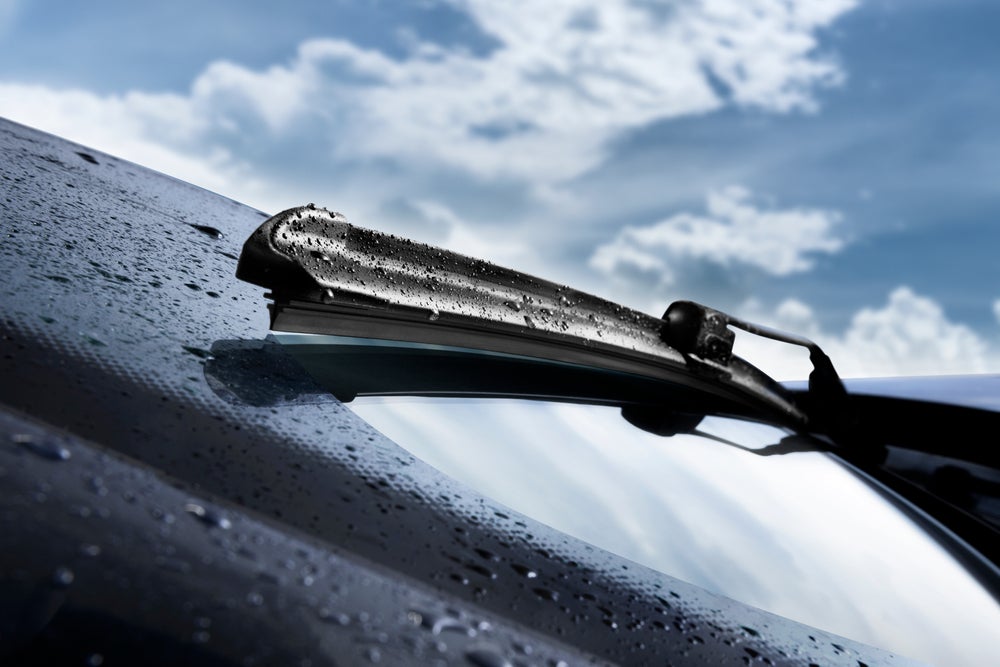
Windshield Fogging Up in Rain Across West Oahu Roads

Windshield fogging up in rain begins when moist air meets cooler glass. The moisture then turns into tiny water droplets. Those droplets scatter light and make the road harder to see. Therefore, the first step is finding which glass surface holds the moisture. Rain can bring wet shoes, umbrellas, clothing, and floor mats into the cabin. In addition, strong air conditioning can cool the windshield quickly. Each moisture source changes the correct response. A quick surface check keeps you from choosing the wrong setting. Find Which Side of the Glass Holds Moisture Interior fog forms when warm cabin moisture touches cooler glass. Exterior fog forms when humid outdoor air touches glass cooled from inside. Although both look similar, they need different responses. How can you tell which side is fogged? Run the windshield wipers once when road travel remains safe. If the view clears, moisture sits outside. If the layer remains, the moisture likely sits inside. You can also wipe a small corner from inside while parked. A clear streak confirms interior moisture. Therefore, identify the surface before changing the fan or temperature. more Interior fog may appear after passengers enter with wet clothing. Breath also adds moisture to the cabin air. Furthermore, damp mats may release water long after the rain stops. Exterior fog may appear when cold air blows across the windshield for several minutes. Warm outdoor moisture then settles on the cold glass. As a result, the wipers may clear the view briefly before moisture returns. Clear Interior Fog With Mazda Climate Controls The front defog setting directs airflow toward the windshield and front side glass. On many Mazda models, this setting also selects outside air. It may also activate the air conditioner to dry incoming air. Start by pressing the front defog control. Next, raise the fan speed and choose a warm temperature. The air conditioner should remain active because it removes moisture from the air. Turn off recirculation when interior fog appears. Recirculation keeps cabin air moving through the same enclosed space. Therefore, moisture from passengers and wet materials stays inside longer. Use fresh air mode so drier outside air can enter. In addition, crack a side window briefly when safe. That small opening can release humid cabin air faster. Do not aim cold defog air at the glass during humid rain. Very cold glass may collect moisture on its outer surface. Instead, use warmer airflow and adjust gradually as the view clears. Keep both hands ready and reduce speed when visibility drops. If the windshield does not clear quickly, pull away from traffic. Park before making longer climate control changes. Handle Fog on the Outside Surface Exterior fog forms when warm humid air touches cold glass. Strong cabin cooling may create this temperature gap. Therefore, the response differs from interior fog. Run the windshield wipers to remove the outer moisture. Next, raise the cabin temperature slightly. Warmer airflow can reduce the temperature gap across the glass. Lower the fan speed when very cold air keeps striking the windshield. However, keep enough airflow for cabin comfort and interior moisture control. Small adjustments work better than switching every setting at once. Check the front side windows as well. Exterior moisture may collect there and narrow mirror views. In addition, use the rear defogger when the rear glass collects moisture. Replace worn wiper blades before heavy rain. Blades that skip or smear leave water across the viewing area. Clean rubber edges also move moisture more evenly. Reduce Moisture Stored Inside the Cabin Cabin moisture can remain after the road dries. Wet mats, carpet, umbrellas, towels, and clothing keep releasing water. Therefore, drying the cabin matters before the next trip. Remove soaked items after parking. Hang umbrellas open outside the car and dry removable mats. Furthermore, press a clean towel against damp carpet to draw out moisture. Check under floor mats for trapped water. Rubber mats can hide wet carpet beneath them. Because hidden water evaporates slowly, fog may return during the next cool drive. Use these checks after a rainy trip: Remove wet clothing, towels, and umbrellas instead of leaving them inside overnight. Lift each floor mat and check the carpet for damp spots or standing water. Leave the cabin ventilated in a secure covered area when safe and suitable. Avoid storing open drinks or damp cleaning cloths in the cabin. These smaller sources add moisture as the interior warms. In addition, keep door and hatch seals free from debris. A persistent musty smell may point toward moisture below visible surfaces. Therefore, inspect the spare tire area and low carpet sections. Water can collect there without appearing near the seats. Keep Glass and Airflow Ready for Rain Clean glass clears faster because residue gives droplets more places to cling. Interior film from fingerprints, cleaners, and cabin vapors can spread light. As a result, glare may remain after the visible fog fades. Clean the windshield inside and outside with an automotive glass cleaner. Use separate clean cloths for each surface. Furthermore, finish with a dry cloth to remove streaks. Keep dashboard vents open and free from papers or small objects. Blocked vents reduce airflow across parts of the windshield. Therefore, one area may stay cloudy while another clears. The cabin air filter also supports steady airflow. A heavily loaded filter can restrict air from the vents. Check the Mazda maintenance guide for the correct inspection schedule. Before rainy travel, confirm these items: Test the front defog control while parked so its location feels familiar. Check wiper blade contact and refill the windshield washer reservoir. Clean the windshield and remove any object blocking the dashboard vents. Do not apply household coatings without checking product directions and Mazda guidance. Some products may leave a film or create glare. Clear untreated glass is easier to inspect for residue. Know When Repeated Fog Needs Inspection Recurring fog may point toward trapped water, weak airflow, or a climate control fault. It deserves closer review when ordinary drying steps fail. Therefore, note when the fog appears and how quickly it returns. Slow airflow from every vent may suggest a restricted cabin filter or blower concern. A sweet smell, oily film, or unexplained coolant loss also needs prompt inspection. Do not taste or touch unknown fluid. Water beneath the carpet may come from a blocked drain, worn seal, or another leak path. In addition, fog that returns while the cabin feels dry may need trained review. Record the fan setting, temperature, rain level, and moisture location before contacting service. Photos taken while safely parked can preserve the pattern. Those details give the technician a clearer starting point. Windshield fogging up in rain should lead to calm steps. Identify the surface, select the correct airflow, and remove stored moisture. With clean glass and ready controls, West Oahu rain becomes easier to manage safely.