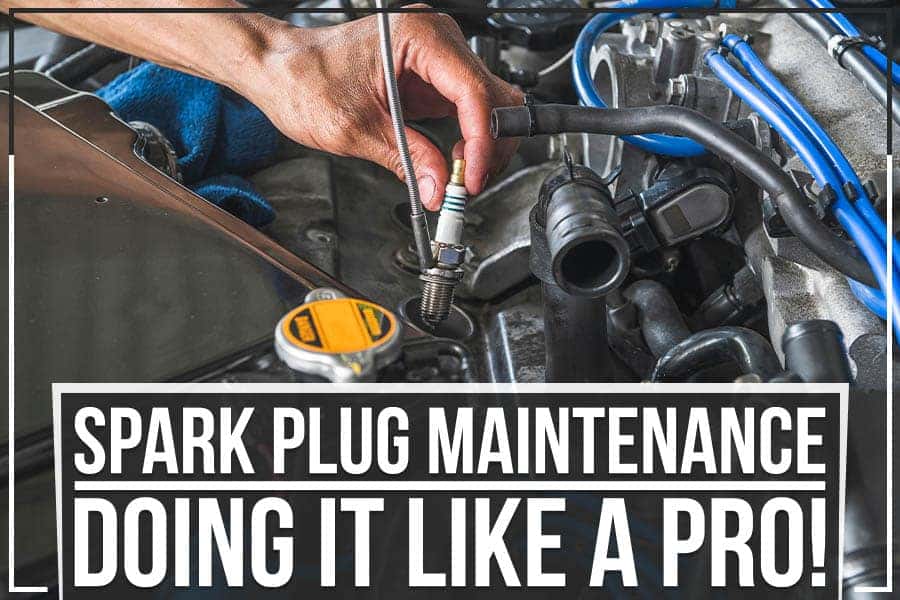
When should you change spark plugs in your Mazda? The correct replacement point comes from the maintenance schedule for your model, year, and engine. Spark plugs wear gradually as they ignite fuel inside the cylinders. However, rough idling or difficult starting may justify an inspection before the scheduled replacement. Understanding both timing and warning signs keeps maintenance decisions grounded in the vehicle's actual requirements.
How Spark Plugs Work and Why They Wear Out
A spark plug creates an electrical spark that ignites the compressed air and fuel mixture inside a gasoline engine. The ignition coil supplies high voltage, which jumps across the gap between the plug's electrodes. This spark starts combustion, pushing the piston downward and turning the crankshaft.
Additionally, each ignition event exposes the plug tip to heat, pressure, and electrical discharge. Consequently, small amounts of electrode material can erode through continued operation. As a result, the gap may widen, increasing the voltage needed to produce a spark. Furthermore, deposits on the electrodes can also interfere with ignition.
Three components explain why plug construction matters:
- Center electrode: This conducts high voltage toward the spark gap and gradually wears through repeated ignition events.
- Ground electrode: This completes the spark path and must retain the shape and spacing specified for the engine.
- Insulator: This separates the electrical path from the metal housing and must withstand combustion heat and deposits.
Moreover, some plugs use iridium or platinum at the electrode tip to resist erosion. However, material alone does not establish a replacement schedule. Electrode dimensions, heat range, and engine requirements also matter.
Mazda engines use specific spark plug designs. Therefore, installing a different plug simply because it advertises longer service life may be unsuitable. The correct part must match the engine's published specifications.
Why Mazda Spark Plug Replacement Intervals Vary
Spark plug replacement timing does not follow one universal mileage figure. Mazda publishes maintenance schedules for individual engines and model years. These schedules account for the ignition hardware and engine design specified by the manufacturer.
For example, turbocharged and naturally aspirated engines within the same vehicle family may follow different replacement intervals. By contrast, a hybrid powertrain may follow its own schedule. For this reason, a mileage recommendation found for another Mazda should not replace your owner's manual.
When reviewing your schedule, confirm these details:
- Model year and engine: These identify the correct maintenance schedule, even when two vehicles share a model name.
- Replacement interval: This states when the manufacturer calls for spark plug service under the applicable maintenance schedule.
- Required plug specification: This identifies the correct replacement part and prevents selection based only on appearance or price.
Therefore, scheduled replacement addresses gradual wear before noticeable ignition trouble develops. Moreover, the absence of warning signs does not cancel a listed maintenance requirement.
If your vehicle is approaching its scheduled interval, check the Routine Maintenance information from Cutter Mazda Waipahu. Compare that guidance with the manual for your exact Mazda.
Additionally, keep a record of completed spark plug replacements. A dated service record can prevent unnecessary repeat work and clarify when the next inspection is due.
Warning Signs That Spark Plugs May Need Inspection
Worn or contaminated spark plugs may interfere with consistent ignition. Yet similar symptoms can come from ignition coils, fuel delivery, air leaks, or other mechanical faults. A sound or warning light cannot identify a failed plug by itself.
For example, a rough idle can feel like uneven vibration while the engine runs at a stop. Meanwhile, misfires occur when combustion fails to happen correctly in one or more cylinders. Spark plug wear is one possible cause, but accurate diagnosis requires more information.
Drivers should pay attention to three common changes:
- Difficult starting: Weak or inconsistent ignition can make starting harder, although battery and fuel problems can produce similar symptoms.
- Rough idle or hesitation: Irregular combustion may create shaking or hesitation, particularly when engine speed changes.
- Check engine light: The engine computer may identify misfire activity, but fault codes do not prove spark plug failure.
In addition, reduced fuel economy can accompany ignition trouble. However, it also has numerous other possible causes, including tire pressure and driving patterns. Avoid replacing spark plugs solely because fuel use has increased.
Furthermore, a flashing check engine light deserves urgent attention. Follow your Mazda owner's manual and avoid continued driving when it warns of possible engine or emissions damage.
If symptoms recur, describe when they started and what the engine was doing. These observations give a technician useful context for testing the ignition components.
Scheduled Replacement Versus Symptom Driven Inspection
Scheduled spark plug replacement and early inspection serve different purposes. A maintenance schedule identifies planned service based on the engine's prescribed interval. Symptom driven inspection investigates a concern that appears before that point.
For scheduled service, the owner can consult the maintenance record and manual. Replacement may be due even when the engine starts smoothly and idles normally. The goal is to renew components according to their specified service life.
By contrast, early inspection begins with diagnosis. A technician may examine stored fault codes, ignition operation, and related engine components. That process can identify whether plugs require replacement or another repair is necessary.
Consequently, a rough idle does not automatically justify installing a complete set of new plugs. The cause may involve a coil, wiring, fuel delivery, or an intake leak. Replacing parts without testing can leave the original concern unresolved.
Additionally, service timing also matters after a repair. If a technician replaces plugs early, record the date, mileage, and approved part number. Those details can clarify the next scheduled maintenance decision.
The Mazda Service department can evaluate ignition concerns and review your vehicle's maintenance requirements. An inspection is the appropriate starting point when unusual symptoms appear.
Choosing the Correct Spark Plugs and Planning Mazda Service
Spark plugs must match the engine's requirements for fitment, heat range, electrode design, and electrical characteristics. A part that threads into the cylinder head is not necessarily the right choice. Incorrect specifications can interfere with ignition and create avoidable engine trouble.
Furthermore, Mazda maintenance documentation identifies the correct plug specification for the applicable engine. In addition, service procedures may specify installation torque and handling precautions. Some factory plugs come with preset gaps, so unnecessary adjustment could damage delicate electrodes.
Owners should also distinguish an ignition problem from a simple maintenance milestone. If the engine runs normally and replacement is due, follow the scheduled service procedure. If a warning light or persistent misfire appears, request diagnosis before assuming plug wear caused it.
Additionally, spark plug replacement requires access to ignition coils and the cylinder head. Improper removal or installation can damage threads or components. For that reason, professional service may be appropriate when you lack the correct tools or specifications.
You can Schedule Service with Cutter Mazda Waipahu for a maintenance review or ignition inspection. Bring your vehicle information and recent service records so the technician can check the correct schedule.
Your Mazda's manual remains the starting point for replacement timing. Pay attention to new engine symptoms, but let testing identify their cause. With the specified plugs and documented service, you can approach ignition maintenance without relying on guesswork.