

Choosing between the Mazda CX-5 and Mazda CX-30 often comes down to one core question. How much does size actually change the way the vehicle fits into your daily life? On paper, both are compact SUVs. In practice, their dimensions influence how passengers sit, how cargo loads, and how easily the vehicle moves through traffic and parking. Understanding how these differences work helps you decide which one truly matches your routine in West Oʻahu.
How the CX-5 and CX-30 Are Sized Differently and Why It Matters
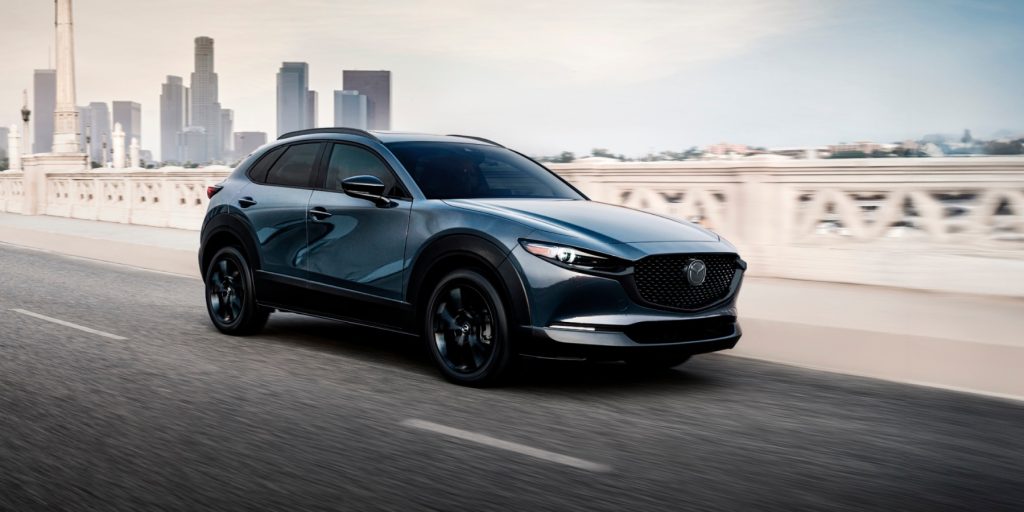
How much bigger is the Mazda CX-5 than the CX-30 and does it matter? The CX-5 is built with a longer body and wider stance, while the CX-30 uses a shorter and more compact footprint designed for tighter maneuverability.
Vehicle size is not just a measurement. It defines how space is distributed between passengers, cargo, and road positioning. The CX-5 uses its additional length to extend cabin space and cargo depth, while the CX-30 keeps dimensions tighter to improve agility and ease of placement in smaller spaces.
The difference shows up in how each vehicle feels in motion:
- Mazda CX-5 length and width create a more open cabin and stable highway presence
- Mazda CX-30 compact dimensions allow quicker directional changes and easier placement in traffic
- CX-5 wheelbase contributes to smoother ride behavior over uneven roads
- CX-30 shorter body improves confidence in tighter parking areas
For drivers in West Oʻahu, this matters during daily transitions between open roads, shopping centers, and residential streets. The CX-5 prioritizes space and stability, while the CX-30 prioritizes maneuverability and efficiency of movement.
Cabin Space Differences for Front and Rear Passengers
Does the CX-5 have more passenger room than the CX-30? Yes. Passenger space refers to how the interior dimensions are used to position seats, provide legroom, and allow movement within the cabin.
The Mazda CX-5 uses its larger footprint to create more distance between rows and more lateral space across the cabin. This affects both front and rear passengers.
The Mazda CX-30, while still comfortable, uses a more compact cabin layout that prioritizes driver positioning and efficient use of space.
Key differences in how cabin space is experienced:
- Mazda CX-5 rear seat provides more legroom and knee clearance for adult passengers
- CX-5 wider cabin improves shoulder room for passengers sitting side by side
- Mazda CX-30 front seating remains supportive but rear seating is more compact
- CX-30 rear entry space is tighter, especially for taller passengers
These differences become important during real use. The CX-5 supports longer drives with multiple passengers more comfortably, while the CX-30 works well for drivers who prioritize front seat comfort and occasional rear use.
Cargo Area Size and Shape: What You Can Actually Fit
Which has more usable cargo space, CX-5 or CX-30? The Mazda CX-5 offers more total cargo capacity, but usable cargo space depends on how the area is shaped and accessed.
Cargo usability refers to how effectively the space can be used based on floor length, width, height, and the shape of the rear opening. The CX-5 benefits from a longer cargo floor and a wider hatch opening, which makes loading bulkier items easier.
The CX-30 has a smaller cargo area, but its layout is still functional for daily needs such as groceries, small luggage, and errands.
How cargo differences translate to real use:
- Mazda CX-5 longer cargo floor allows larger items to sit flat without angling
- CX-5 wider opening improves loading of boxes, strollers, and larger bags
- Mazda CX-30 cargo area is easier to access quickly due to lower overall height
- CX-30 cargo space works efficiently for everyday items but fills faster
For drivers who regularly carry larger items or multiple bags, the CX-5 provides more flexibility. For lighter, more routine cargo needs, the CX-30 remains practical without added bulk.
Why Exterior Size Changes Parking and Daily Driving
Is the CX-30 easier to park than the CX-5? Yes. Maneuverability refers to how easily a vehicle can change direction, fit into spaces, and respond in low-speed environments.
The Mazda CX-30 benefits from a smaller footprint, which makes it easier to position in tighter parking lots, narrow streets, and crowded areas. Its shorter length reduces the space needed to complete parking maneuvers.
The Mazda CX-5, while still manageable, requires slightly more space to maneuver due to its larger size.
How this difference affects daily driving:
- Mazda CX-30 fits more comfortably into tight parking spaces
- CX-30 requires less steering correction in low-speed maneuvers
- Mazda CX-5 provides better outward presence and visibility on open roads
- CX-5 feels more planted at higher speeds due to its size and stance
For drivers frequently navigating shopping centers or dense parking areas in Waipahu, the CX-30 offers clear advantages. For those prioritizing comfort on longer drives, the CX-5 provides a more stable feel.
Choosing Between CX-5 and CX-30 for Daily Driving in West Oʻahu
Which Mazda SUV is better for everyday driving? The answer depends on how your daily routine balances passenger space, cargo needs, and ease of movement.
The Mazda CX-5 is better suited for drivers who:
- Regularly carry passengers in the rear seats
- Need more flexible cargo space for larger items
- Prefer a more spacious and stable driving feel
The Mazda CX-30 is better suited for drivers who:
- Prioritize easy parking and maneuverability
- Drive primarily solo or with one passenger
- Need efficient space for lighter, everyday cargo
The decision is not just about which vehicle is bigger. It is about how each vehicle uses its size to support your routine. The CX-5 creates more room to stretch, carry, and settle in. The CX-30 creates a more agile, efficient experience that fits seamlessly into tighter environments.
Mazda designs both vehicles around the same philosophy of connection between driver and machine. The difference is how that connection is shaped by space, proportion, and everyday usability.
Connect with us


- May 2026
- April 2026
- March 2024
- February 2024
- December 2023
- November 2023
- October 2023
- September 2023
- August 2023
- July 2023
- June 2023
- May 2023
- April 2023
- March 2023
- February 2023
- January 2023
- December 2022
- November 2022
- October 2022
- September 2022
- August 2022
- July 2022
- June 2022
- May 2022
- April 2022
- March 2022
- February 2022
- January 2022