

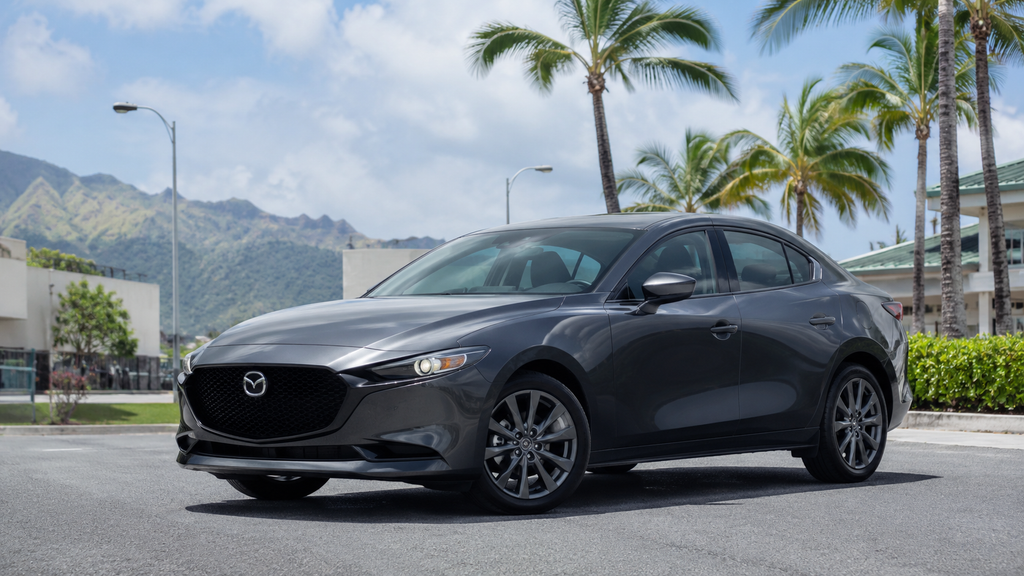
Mazda3 Sedan daily driving around Waipahu can combine compact sizing, supportive seating, and a traditional trunk for everyday routines. In addition, the sedan keeps controls close and places the driver low enough to feel connected to the road. That layout can matter when your week includes traffic, parking lots, errands, and regular passenger trips. Therefore, a useful test drive should look beyond trim names and focus on how the car fits your routine.
How the Mazda3 Sedan Driving Position Fits a Daily Commute
Mazda places strong emphasis on seat position, steering reach, and pedal placement. Together, those elements shape how naturally your body moves during a drive. Because commuting repeats the same motions, a comfortable setup can reduce the need for constant repositioning.
Why does driving position matter on a normal trip? Your shoulders, hips, knees, and hands all work together while steering and braking. A seat that sits too far back can stretch your arms. A seat that sits too close can crowd your knees. Therefore, the goal is a position that keeps your joints relaxed while controls remain easy to reach.
The Mazda3 Sedan also places the steering wheel and primary controls within a compact cockpit. In addition, the low dashboard can support a clear view ahead. Set the seat first, then adjust the wheel and mirrors. That order gives you a better sense of whether the cabin fits your body.
During a Waipahu commute, pay attention to how your posture feels after several turns and stops. Furthermore, notice whether you can use the pedals without lifting your heel. Small details like these matter more after repeated trips than during a brief showroom sit.
Is the Mazda3 Sedan Easy to Park Around Waipahu?
Its compact body and clear front placement support controlled low speed maneuvering in tighter spaces. The sedan shape also gives you a defined trunk behind the rear seats. However, the rear deck may not sit within your direct sightline from the driver seat.
How easy is it to judge the back of the car? The answer comes from mirrors, the rear camera, and your sense of distance. Therefore, try a normal parking space before testing a tighter one. Notice how much steering input the car needs and how quickly the nose changes direction.
Rear Cross Traffic Alert can add another layer of awareness while backing from a space. The feature watches for traffic moving behind the car and can provide a warning. In addition, the rear camera gives you a direct view of the area behind the bumper.
A parking test should also include backing beside larger SUVs or trucks. Their height can block your side view before you clear the space. For this reason, move slowly and watch how the camera and mirrors work together.
Mazda3 Sedan daily driving around Waipahu may involve crowded lots, garages, and neighborhood streets. A short parking exercise can tell you more than exterior dimensions alone. Therefore, spend time reversing, turning, and centering the car before leaving the lot.
Will the Mazda3 Sedan Trunk Fit Daily Cargo?
Trunk fit comes from opening shape, depth, width, and the size of the items you carry. The Mazda3 Sedan provides 13 cubic feet of trunk space. However, the number alone cannot show whether your luggage, groceries, or work gear fits through the opening.
A sedan trunk separates cargo from the passenger cabin. That can keep loose bags and stored items out of the seating area. In addition, the enclosed layout can make small everyday loads easy to organize.
What should you test before deciding the trunk is large enough? Use items that reflect your own routine. A familiar suitcase or storage bin gives you a clearer answer than a published measurement.
- Place a medium suitcase near the opening and check whether it passes through without awkward rotation.
- Load several grocery bags and see whether the floor gives them enough room to stay upright.
- Check how far you need to reach for items placed near the rear seatbacks.
The trunk also deserves attention with the lid fully open. Make sure the hinges and opening shape leave enough room for taller bags. Therefore, look at usable space from the opening inward, not only the total volume.
If you carry rear passengers and cargo on the same trip, the sedan layout keeps both areas separate. That can suit commuting, errands, and airport runs without changing the cabin arrangement.
How Mazda Driving Features Fit Commuting
G Vectoring Control Plus makes small torque and braking adjustments as steering input changes. The goal is smoother weight transfer through a turn. Because the correction works quietly, you may notice cleaner directional movement instead of a dramatic intervention.
What does that feel like during commuting? A lane change or curved ramp may require fewer small steering corrections. In addition, neighborhood turns can feel more settled from entry to exit.
Available i Activ AWD adds active power distribution between the front and rear wheels. The system reads several inputs and adjusts where power goes. That can support traction when pavement is wet or when the car accelerates from a stop.
The available turbo engine changes throttle response in another way. Stronger low rpm torque gives the sedan quicker acceleration with less pedal travel. Therefore, a merge or passing move can feel more immediate.
You do not need every available feature to enjoy Mazda3 Sedan daily driving around Waipahu. Instead, test the powertrain you are considering on roads that resemble your normal routes. Include a merge, a hill, a slower turn, and steady traffic.
What to Evaluate During a Mazda3 Sedan Test Drive
A useful test drive should copy your week as closely as possible. Start with the front seat, then move through parking, cargo, rear seating, and road movement. In addition, give yourself enough time to notice details that a quick loop can hide.
Set the driver seat where you would use it every day. Then sit directly behind that position. This gives you a more realistic view of rear passenger space than checking the rear seat first.
Next, open the trunk and look at the shape of the opening. Bring a familiar item if possible. That simple test can show whether the cargo area suits your routine.
- Check steering reach, pedal position, and mirror placement before moving.
- Reverse into a parking space and watch how the camera and mirrors support your view.
- Sit in the rear seat after setting the front seat for yourself.
Finally, drive through a mix of slower streets and a faster section if available. Notice steering response, seat comfort, braking feel, and throttle response. Furthermore, listen for how quiet the cabin feels at the speeds you use most.
Mazda3 Sedan daily driving around Waipahu should feel natural across the tasks you repeat each week. If the seating, trunk, parking, and road feel suit those tasks, the sedan can fit smoothly into your routine. A careful test drive gives you the clearest answer before you decide.
Connect with us


- August 2026
- July 2026
- June 2026
- May 2026
- April 2026
- March 2024
- February 2024
- December 2023
- November 2023
- October 2023
- September 2023
- August 2023
- July 2023
- June 2023
- May 2023
- April 2023
- March 2023
- February 2023
- January 2023
- December 2022
- November 2022
- October 2022
- September 2022
- August 2022
- July 2022
- June 2022
- May 2022
- April 2022
- March 2022
- February 2022
- January 2022