

Windshield fogging up in rain begins when moist air meets cooler glass. The moisture then turns into tiny water droplets. Those droplets scatter light and make the road harder to see. Therefore, the first step is finding which glass surface holds the moisture.
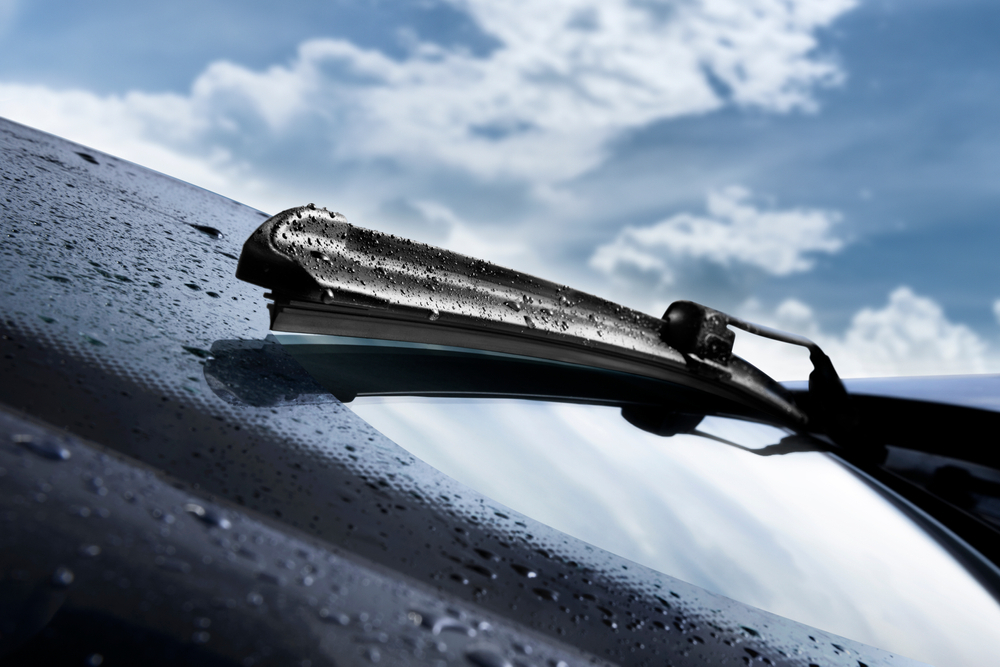
Rain can bring wet shoes, umbrellas, clothing, and floor mats into the cabin. In addition, strong air conditioning can cool the windshield quickly. Each moisture source changes the correct response. A quick surface check keeps you from choosing the wrong setting.
Find Which Side of the Glass Holds Moisture
Interior fog forms when warm cabin moisture touches cooler glass. Exterior fog forms when humid outdoor air touches glass cooled from inside. Although both look similar, they need different responses.
How can you tell which side is fogged? Run the windshield wipers once when road travel remains safe. If the view clears, moisture sits outside. If the layer remains, the moisture likely sits inside.
You can also wipe a small corner from inside while parked. A clear streak confirms interior moisture. Therefore, identify the surface before changing the fan or temperature.
Interior fog may appear after passengers enter with wet clothing. Breath also adds moisture to the cabin air. Furthermore, damp mats may release water long after the rain stops.
Exterior fog may appear when cold air blows across the windshield for several minutes. Warm outdoor moisture then settles on the cold glass. As a result, the wipers may clear the view briefly before moisture returns.
Clear Interior Fog With Mazda Climate Controls
The front defog setting directs airflow toward the windshield and front side glass. On many Mazda models, this setting also selects outside air. It may also activate the air conditioner to dry incoming air.
Start by pressing the front defog control. Next, raise the fan speed and choose a warm temperature. The air conditioner should remain active because it removes moisture from the air.
Turn off recirculation when interior fog appears. Recirculation keeps cabin air moving through the same enclosed space. Therefore, moisture from passengers and wet materials stays inside longer.
Use fresh air mode so drier outside air can enter. In addition, crack a side window briefly when safe. That small opening can release humid cabin air faster.
Do not aim cold defog air at the glass during humid rain. Very cold glass may collect moisture on its outer surface. Instead, use warmer airflow and adjust gradually as the view clears.
Keep both hands ready and reduce speed when visibility drops. If the windshield does not clear quickly, pull away from traffic. Park before making longer climate control changes.
Handle Fog on the Outside Surface
Exterior fog forms when warm humid air touches cold glass. Strong cabin cooling may create this temperature gap. Therefore, the response differs from interior fog.
Run the windshield wipers to remove the outer moisture. Next, raise the cabin temperature slightly. Warmer airflow can reduce the temperature gap across the glass.
Lower the fan speed when very cold air keeps striking the windshield. However, keep enough airflow for cabin comfort and interior moisture control. Small adjustments work better than switching every setting at once.
Check the front side windows as well. Exterior moisture may collect there and narrow mirror views. In addition, use the rear defogger when the rear glass collects moisture.
Replace worn wiper blades before heavy rain. Blades that skip or smear leave water across the viewing area. Clean rubber edges also move moisture more evenly.
Reduce Moisture Stored Inside the Cabin
Cabin moisture can remain after the road dries. Wet mats, carpet, umbrellas, towels, and clothing keep releasing water. Therefore, drying the cabin matters before the next trip.
Remove soaked items after parking. Hang umbrellas open outside the car and dry removable mats. Furthermore, press a clean towel against damp carpet to draw out moisture.
Check under floor mats for trapped water. Rubber mats can hide wet carpet beneath them. Because hidden water evaporates slowly, fog may return during the next cool drive.
Use these checks after a rainy trip:
- Remove wet clothing, towels, and umbrellas instead of leaving them inside overnight.
- Lift each floor mat and check the carpet for damp spots or standing water.
- Leave the cabin ventilated in a secure covered area when safe and suitable.
Avoid storing open drinks or damp cleaning cloths in the cabin. These smaller sources add moisture as the interior warms. In addition, keep door and hatch seals free from debris.
A persistent musty smell may point toward moisture below visible surfaces. Therefore, inspect the spare tire area and low carpet sections. Water can collect there without appearing near the seats.
Keep Glass and Airflow Ready for Rain
Clean glass clears faster because residue gives droplets more places to cling. Interior film from fingerprints, cleaners, and cabin vapors can spread light. As a result, glare may remain after the visible fog fades.
Clean the windshield inside and outside with an automotive glass cleaner. Use separate clean cloths for each surface. Furthermore, finish with a dry cloth to remove streaks.
Keep dashboard vents open and free from papers or small objects. Blocked vents reduce airflow across parts of the windshield. Therefore, one area may stay cloudy while another clears.
The cabin air filter also supports steady airflow. A heavily loaded filter can restrict air from the vents. Check the Mazda maintenance guide for the correct inspection schedule.
Before rainy travel, confirm these items:
- Test the front defog control while parked so its location feels familiar.
- Check wiper blade contact and refill the windshield washer reservoir.
- Clean the windshield and remove any object blocking the dashboard vents.
Do not apply household coatings without checking product directions and Mazda guidance. Some products may leave a film or create glare. Clear untreated glass is easier to inspect for residue.
Know When Repeated Fog Needs Inspection
Recurring fog may point toward trapped water, weak airflow, or a climate control fault. It deserves closer review when ordinary drying steps fail. Therefore, note when the fog appears and how quickly it returns.
Slow airflow from every vent may suggest a restricted cabin filter or blower concern. A sweet smell, oily film, or unexplained coolant loss also needs prompt inspection. Do not taste or touch unknown fluid.
Water beneath the carpet may come from a blocked drain, worn seal, or another leak path. In addition, fog that returns while the cabin feels dry may need trained review.
Record the fan setting, temperature, rain level, and moisture location before contacting service. Photos taken while safely parked can preserve the pattern. Those details give the technician a clearer starting point.
Windshield fogging up in rain should lead to calm steps. Identify the surface, select the correct airflow, and remove stored moisture. With clean glass and ready controls, West Oahu rain becomes easier to manage safely.
Connect with us


- July 2026
- June 2026
- May 2026
- April 2026
- March 2024
- February 2024
- December 2023
- November 2023
- October 2023
- September 2023
- August 2023
- July 2023
- June 2023
- May 2023
- April 2023
- March 2023
- February 2023
- January 2023
- December 2022
- November 2022
- October 2022
- September 2022
- August 2022
- July 2022
- June 2022
- May 2022
- April 2022
- March 2022
- February 2022
- January 2022