Blog

All Blog Waipahu Mazda Dealer Cutter Mazda Waipahu Service Waipahu Mazda Service
in Waipahu Mazda Dealer

CX-50 Hybrid Range for Weekend Driving Across Oahu

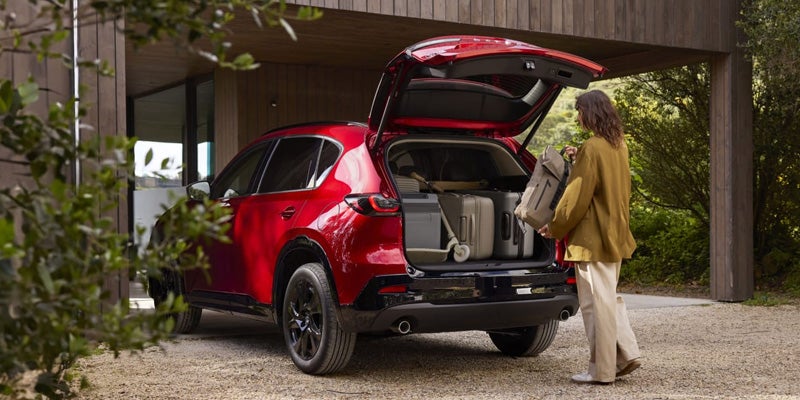
CX-50 Hybrid range can support several Oahu weekend trips before fuel becomes part of the plan. Mazda lists an EPA estimated 551 mile total range for the 2026 CX-50 Hybrid. However, that number gives useful scale, but it is not a fixed promise for every trip. Traffic, speed, passenger load, hills, and climate control can change fuel use. Therefore, island trip planning works best when you treat the estimate as a guide. The more useful question is how that range fits your usual stops, gear, and route. What the CX-50 Hybrid Range Figure Means The published range combines fuel economy with the amount of fuel the CX-50 Hybrid can carry. Mazda lists 39 MPG city, 37 MPG highway, and 38 MPG combined for the 2026 model. Additionally, those figures come from standardized EPA testing. Therefore, they give shoppers a common reference point across different vehicles. What does 551 miles mean for an Oahu weekend? It means one tank has far more projected distance than most single island outings require. Still, a day across Waipahu, Honolulu, the North Shore, and several stops covers only part of that estimate. more However, personal results can move above or below the published number. Faster highway travel can use fuel differently from slower traffic. Moreover, added passengers and cargo increase the energy needed to move the CX-50 Hybrid. In addition, air conditioning adds another demand on the powertrain. For this reason, think of the range figure as planning room. It can show how many short outings may fit between fill ups. It should not become a target you try to reach before stopping for fuel. How Hybrid Operation Changes Across an Oahu Route The CX-50 Hybrid combines a 2.5 liter gasoline engine with three electric motors and a hybrid battery. An eCVT manages how the engine and motors share propulsion. Because power demand changes throughout a trip, the mix can change from one road segment to another. Why can fuel use change between traffic and faster roads? Lower speed travel can give the electric side more chances to assist propulsion. Braking can also send some energy back toward the hybrid battery. At higher speeds, the gasoline engine may carry more of the load. That does not require the driver to manage the handoff. The CX-50 Hybrid controls the mix while you drive. Therefore, the useful task is watching your route and fuel level, not trying to force one type of propulsion. Oahu makes that easy to visualize. A weekend drive may begin with slower streets near Waipahu, move onto H-1, then return to local roads. Each section asks for a different amount of power. As a result, your trip may not match one simple city or highway number. Furthermore, the eCVT keeps power delivery smooth as demand rises or falls. Instead of fixed gear changes, it can vary the ratio continuously. That supports steady acceleration when traffic opens and lower power demand when speeds settle. Is the CX-50 Hybrid Range Enough for Weekend Oahu Driving? The 551 mile EPA estimate gives drivers far more projected distance than a typical single island outing requires. Oahu is compact enough that most weekend routes cover a fraction of that number. Therefore, fuel planning becomes more about reserve and convenience than reaching a distant station. For this reason, plan around the trip you intend to take. Add the main destination, extra stops, and the return route. Then leave room for detours, traffic changes, and another short errand. A few planning habits keep the range number useful: Start with the fuel level you already have instead of assuming a full tank. That gives your route estimate a more realistic starting point. Add extra distance for side trips, missed turns, or an unplanned stop. That keeps your fuel reserve from shrinking too far. Watch the vehicle range display as the weekend develops. Use it as one reference alongside the fuel gauge and your planned route. Because Oahu trips can involve several short drives in one day, repeated starts and stops also matter. A beach visit, meal stop, shopping trip, and return home may create several separate drive cycles. Therefore, think about the whole weekend instead of one destination. How Much Weekend Gear Fits in the CX-50 Hybrid? Cargo fit comes from rear storage volume, seat position, and the shape of the items you bring. Current specifications list about 29.2 cubic feet behind the rear seats. That gives the CX-50 Hybrid room for bags, coolers, beach items, and other weekend gear. How does cargo change trip planning? Consequently, more weight asks the powertrain to move a heavier load. The change may be small for a few bags. However, several passengers plus a full cargo area can shift your personal fuel results. In addition, the rear seat layout matters. Folding part of the second row can open more length for larger items. In addition, keeping one seat upright can preserve space for a passenger beside longer gear. Before a weekend trip, think through the load in the order you will use it: Put heavier items low and close to the seatbacks. That keeps the load stable and leaves smaller items easier to reach. Keep frequently needed bags near the hatch opening. You can reach them without unloading the entire cargo area. Check rear visibility before leaving. Tall cargo should not block the view more than necessary. Therefore, the best cargo check happens before you need the space. Bring a cooler, suitcase, stroller, or beach bag during a showroom visit. That shows how your own gear fits better than a volume number alone. What eAWD and Drive Modes Add to Weekend Routes The CX-50 Hybrid uses electronic AWD with electric power available at the rear axle. That setup can send power where the drivetrain needs it without a mechanical driveshaft running front to rear. As a result, the hybrid arrangement still powers all four wheels. What does that add during an Oahu weekend? Wet pavement, sloped access roads, and uneven parking areas can ask for more traction. Electronic AWD can respond as grip changes. Therefore, it adds another layer of control without asking you to manage front and rear power yourself. Mi Drive also includes Power Mode and Trail Mode. Power Mode sharpens response when you want quicker acceleration. Trail Mode adjusts power delivery for loose or uneven surfaces. Each setting changes how the CX-50 Hybrid responds to a specific driving task. Still, those modes are not required for every trip. Instead, they give you more control over how the CX-50 Hybrid responds when the route changes. A paved beach lot, a steeper road, or a quick merge may call for different inputs. Before choosing the CX-50 Hybrid, test the features that match your own weekend plans. Try a highway merge, a hill, a slower turn, and a rougher parking surface if available. Also check cargo access and rear seating with the people or gear you carry most. CX-50 Hybrid range gives Oahu drivers generous planning room for weekend travel. The stronger decision comes from looking at range, cargo, passenger load, route type, and traction together. When those pieces fit your routine, the hybrid can support long days around the island with fewer fuel stops.

Read More

Mazda3 Sedan Daily Driving Around Waipahu and Oahu

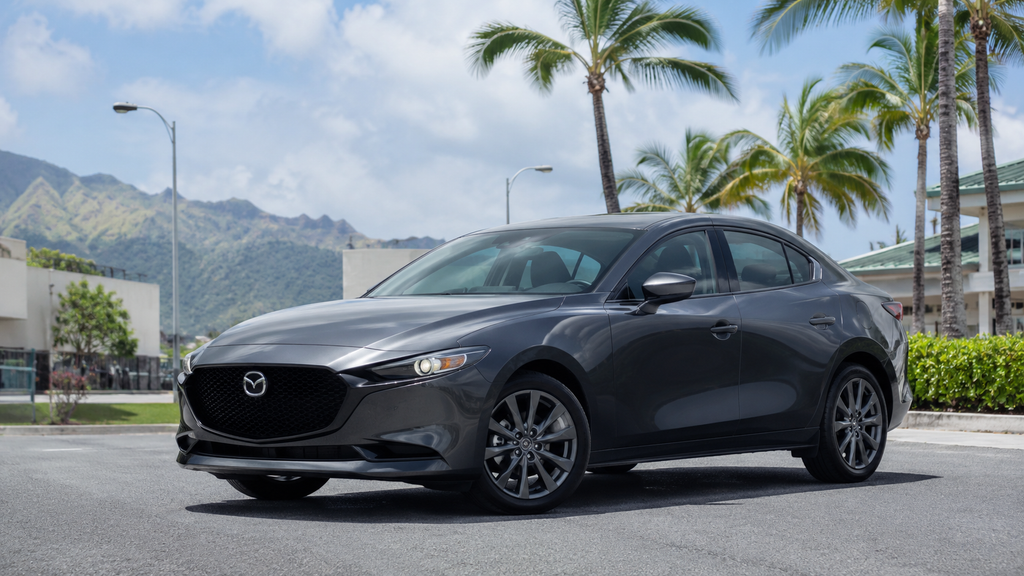
Mazda3 Sedan daily driving around Waipahu can combine compact sizing, supportive seating, and a traditional trunk for everyday routines. In addition, the sedan keeps controls close and places the driver low enough to feel connected to the road. That layout can matter when your week includes traffic, parking lots, errands, and regular passenger trips. Therefore, a useful test drive should look beyond trim names and focus on how the car fits your routine. How the Mazda3 Sedan Driving Position Fits a Daily Commute Mazda places strong emphasis on seat position, steering reach, and pedal placement. Together, those elements shape how naturally your body moves during a drive. Because commuting repeats the same motions, a comfortable setup can reduce the need for constant repositioning. Why does driving position matter on a normal trip? Your shoulders, hips, knees, and hands all work together while steering and braking. A seat that sits too far back can stretch your arms. A seat that sits too close can crowd your knees. Therefore, the goal is a position that keeps your joints relaxed while controls remain easy to reach. more The Mazda3 Sedan also places the steering wheel and primary controls within a compact cockpit. In addition, the low dashboard can support a clear view ahead. Set the seat first, then adjust the wheel and mirrors. That order gives you a better sense of whether the cabin fits your body. During a Waipahu commute, pay attention to how your posture feels after several turns and stops. Furthermore, notice whether you can use the pedals without lifting your heel. Small details like these matter more after repeated trips than during a brief showroom sit. Is the Mazda3 Sedan Easy to Park Around Waipahu? Its compact body and clear front placement support controlled low speed maneuvering in tighter spaces. The sedan shape also gives you a defined trunk behind the rear seats. However, the rear deck may not sit within your direct sightline from the driver seat. How easy is it to judge the back of the car? The answer comes from mirrors, the rear camera, and your sense of distance. Therefore, try a normal parking space before testing a tighter one. Notice how much steering input the car needs and how quickly the nose changes direction. Rear Cross Traffic Alert can add another layer of awareness while backing from a space. The feature watches for traffic moving behind the car and can provide a warning. In addition, the rear camera gives you a direct view of the area behind the bumper. A parking test should also include backing beside larger SUVs or trucks. Their height can block your side view before you clear the space. For this reason, move slowly and watch how the camera and mirrors work together. Mazda3 Sedan daily driving around Waipahu may involve crowded lots, garages, and neighborhood streets. A short parking exercise can tell you more than exterior dimensions alone. Therefore, spend time reversing, turning, and centering the car before leaving the lot. Will the Mazda3 Sedan Trunk Fit Daily Cargo? Trunk fit comes from opening shape, depth, width, and the size of the items you carry. The Mazda3 Sedan provides 13 cubic feet of trunk space. However, the number alone cannot show whether your luggage, groceries, or work gear fits through the opening. A sedan trunk separates cargo from the passenger cabin. That can keep loose bags and stored items out of the seating area. In addition, the enclosed layout can make small everyday loads easy to organize. What should you test before deciding the trunk is large enough? Use items that reflect your own routine. A familiar suitcase or storage bin gives you a clearer answer than a published measurement. Place a medium suitcase near the opening and check whether it passes through without awkward rotation. Load several grocery bags and see whether the floor gives them enough room to stay upright. Check how far you need to reach for items placed near the rear seatbacks. The trunk also deserves attention with the lid fully open. Make sure the hinges and opening shape leave enough room for taller bags. Therefore, look at usable space from the opening inward, not only the total volume. If you carry rear passengers and cargo on the same trip, the sedan layout keeps both areas separate. That can suit commuting, errands, and airport runs without changing the cabin arrangement. How Mazda Driving Features Fit Commuting G Vectoring Control Plus makes small torque and braking adjustments as steering input changes. The goal is smoother weight transfer through a turn. Because the correction works quietly, you may notice cleaner directional movement instead of a dramatic intervention. What does that feel like during commuting? A lane change or curved ramp may require fewer small steering corrections. In addition, neighborhood turns can feel more settled from entry to exit. Available i Activ AWD adds active power distribution between the front and rear wheels. The system reads several inputs and adjusts where power goes. That can support traction when pavement is wet or when the car accelerates from a stop. The available turbo engine changes throttle response in another way. Stronger low rpm torque gives the sedan quicker acceleration with less pedal travel. Therefore, a merge or passing move can feel more immediate. You do not need every available feature to enjoy Mazda3 Sedan daily driving around Waipahu. Instead, test the powertrain you are considering on roads that resemble your normal routes. Include a merge, a hill, a slower turn, and steady traffic. What to Evaluate During a Mazda3 Sedan Test Drive A useful test drive should copy your week as closely as possible. Start with the front seat, then move through parking, cargo, rear seating, and road movement. In addition, give yourself enough time to notice details that a quick loop can hide. Set the driver seat where you would use it every day. Then sit directly behind that position. This gives you a more realistic view of rear passenger space than checking the rear seat first. Next, open the trunk and look at the shape of the opening. Bring a familiar item if possible. That simple test can show whether the cargo area suits your routine. Check steering reach, pedal position, and mirror placement before moving. Reverse into a parking space and watch how the camera and mirrors support your view. Sit in the rear seat after setting the front seat for yourself. Finally, drive through a mix of slower streets and a faster section if available. Notice steering response, seat comfort, braking feel, and throttle response. Furthermore, listen for how quiet the cabin feels at the speeds you use most. Mazda3 Sedan daily driving around Waipahu should feel natural across the tasks you repeat each week. If the seating, trunk, parking, and road feel suit those tasks, the sedan can fit smoothly into your routine. A careful test drive gives you the clearest answer before you decide.

Car Scratch Repair

Does Buffing Take Out Scratches on Mazda Paint Safely

Does buffing take out scratches on Mazda paint? It can reduce shallow clear coat marks, but deeper damage needs another repair path. However, a scratch may look small while still cutting through several paint layers. Therefore, the first step is identifying depth before reaching for compound or a polishing pad. Mazda paint uses layered protection, so every abrasive pass removes a tiny amount of clear coat. Because that material does not grow back, restraint matters more than aggressive correction. What Buffing Does to Automotive Paint Buffing smooths a very small portion of the clear coat around a shallow scratch. It does not fill the groove with new paint. Instead, abrasive material removes microscopic high spots beside the mark. That levels reflected light across the surface and makes the scratch harder to see. Why does that distinction matter? A deeper groove still remains after the surrounding clear coat becomes thinner. Therefore, adding more pressure cannot restore missing color or primer. It only removes more clear material near the damaged area. more In addition, Mazda exterior paint includes a clear upper layer over the colored finish. Beneath that sits primer and the panel surface. A light scratch may stay within the clear layer. However, a deeper cut can reach color, primer, or bare metal. For this reason, does buffing take out scratches only when the damage stays shallow enough? Yes, shallow clear coat marks may respond well to correction. Deeper cuts need another repair method because the missing paint must be restored. Does Buffing Take Out Scratches in the Clear Coat? Buffing can reduce shallow clear coat scratches by leveling a microscopic layer around the damaged area. These marks may appear white under direct light without showing missing body color. They may also look stronger from one viewing angle and softer from another. A clean surface matters before any judgment. Dirt, rubber, or paint from another object can sit on top of the Mazda finish. Therefore, a scuff may look severe before that transfer is removed. Gentle cleaning can reveal whether the vehicle paint itself was cut. The fingernail test gives another clue. Run a clean nail lightly across the mark while the panel is cool and clean. If the nail glides across, the groove may remain shallow. If it catches clearly, the cut may extend beyond the upper clear layer. Before any correction, look for several clues together: Check whether the Mazda body color remains visible inside the mark. Missing color points toward damage below the clear coat. Look for white, gray, or metallic material inside the groove after cleaning. That can signal primer or exposed panel material. Compare the mark under direct light and shade. Shallow clear coat scratches may change appearance as reflections move. Because no single clue gives a complete answer, combine touch, color, and location before deciding. That approach lowers the chance of removing healthy clear coat around deeper damage. When Is a Car Scratch Too Deep to Buff? A scratch needs another repair method once it cuts through the clear coat into lower paint layers. Once color is missing, buffing cannot recreate it. The same rule applies when primer or bare metal appears. Does buffing take out scratches that catch a fingernail? Sometimes a light catch can still come from upper layer damage. However, a strong catch paired with missing color usually points deeper. Therefore, the nail test should support the visual check, not replace it. Visible primer may appear pale gray, white, or another uniform shade beneath the body color. Bare metal can look bright or dull silver. Those deeper layers need protection because the upper paint film no longer seals the panel. A long scratch can still be shallow. By contrast, a short scratch can cut deeply. Depth matters more than length when choosing a repair path. Once the groove reaches lower layers, polishing can make the area look uneven without fixing the missing paint. Therefore, stop before aggressive correction. Touch up paint, localized refinishing, or panel repair may be more suitable. Why Scratch Location Changes the Risk A shallow mark can still deserve extra caution near a panel edge or sharp body line. Clear coat thickness can vary across curved surfaces and past repair areas. Therefore, location matters alongside depth. Why are edges more sensitive? Polishing pads contact raised lines with greater pressure in a smaller area. That can remove clear coat faster than on a broad, flat panel. In addition, repeated correction from prior detailing may leave less material than expected. Mazda styling uses sculpted contours across doors, fenders, hoods, and quarter panels. Those shapes give the body its flowing form. However, they also create areas where machine polishing needs controlled technique. Furthermore, past paintwork also changes the decision. A repaired panel may have a different clear coat thickness from the factory finish. Without measuring the surface, you may not know how much material remains. For this reason, does buffing take out scratches safely near every body line? No. A mark may look shallow yet sit in a sensitive location. Professional assessment makes sense when depth, location, or prior paint history is uncertain. What to Check Before Choosing a Repair Path The safest decision starts with inspection, not correction. Clean the panel first, then study the mark from several angles. Moreover, good lighting can show whether the groove changes color, catches a nail, or crosses a body line. Before touching the paint, check these points: Confirm whether the mark is still visible after gentle cleaning. Surface transfer may disappear without abrasive correction. Check whether your fingernail catches in the groove. A strong catch can indicate deeper paint loss. Look at the location before choosing a polishing method. Edges, sharp contours, and repaired panels deserve extra caution. If the mark stays within the clear coat, a mild correction may reduce its appearance. However, deeper damage needs paint restoration, not more abrasion. Continuing to polish can thin the surrounding clear coat without repairing the original cut. Does buffing take out scratches on every Mazda panel? No. The answer depends on depth, visible paint loss, panel location, and prior repair history. When those clues point deeper, professional attention protects the surrounding finish from unnecessary correction. If you are unsure what layer the scratch reached, have the area inspected before polishing further. Cutter Waipahu Mazda offers exterior inspection and guidance for the next repair step. A careful inspection keeps a small mark from turning into a larger paint problem.

Windshield Fogging Up in Rain Across West Oahu Roads

Windshield fogging up in rain begins when moist air meets cooler glass. The moisture then turns into tiny water droplets. Those droplets scatter light and make the road harder to see. Therefore, the first step is finding which glass surface holds the moisture. Rain can bring wet shoes, umbrellas, clothing, and floor mats into the cabin. In addition, strong air conditioning can cool the windshield quickly. Each moisture source changes the correct response. A quick surface check keeps you from choosing the wrong setting. Find Which Side of the Glass Holds Moisture Interior fog forms when warm cabin moisture touches cooler glass. Exterior fog forms when humid outdoor air touches glass cooled from inside. Although both look similar, they need different responses. How can you tell which side is fogged? Run the windshield wipers once when road travel remains safe. If the view clears, moisture sits outside. If the layer remains, the moisture likely sits inside. You can also wipe a small corner from inside while parked. A clear streak confirms interior moisture. Therefore, identify the surface before changing the fan or temperature. more Interior fog may appear after passengers enter with wet clothing. Breath also adds moisture to the cabin air. Furthermore, damp mats may release water long after the rain stops. Exterior fog may appear when cold air blows across the windshield for several minutes. Warm outdoor moisture then settles on the cold glass. As a result, the wipers may clear the view briefly before moisture returns. Clear Interior Fog With Mazda Climate Controls The front defog setting directs airflow toward the windshield and front side glass. On many Mazda models, this setting also selects outside air. It may also activate the air conditioner to dry incoming air. Start by pressing the front defog control. Next, raise the fan speed and choose a warm temperature. The air conditioner should remain active because it removes moisture from the air. Turn off recirculation when interior fog appears. Recirculation keeps cabin air moving through the same enclosed space. Therefore, moisture from passengers and wet materials stays inside longer. Use fresh air mode so drier outside air can enter. In addition, crack a side window briefly when safe. That small opening can release humid cabin air faster. Do not aim cold defog air at the glass during humid rain. Very cold glass may collect moisture on its outer surface. Instead, use warmer airflow and adjust gradually as the view clears. Keep both hands ready and reduce speed when visibility drops. If the windshield does not clear quickly, pull away from traffic. Park before making longer climate control changes. Handle Fog on the Outside Surface Exterior fog forms when warm humid air touches cold glass. Strong cabin cooling may create this temperature gap. Therefore, the response differs from interior fog. Run the windshield wipers to remove the outer moisture. Next, raise the cabin temperature slightly. Warmer airflow can reduce the temperature gap across the glass. Lower the fan speed when very cold air keeps striking the windshield. However, keep enough airflow for cabin comfort and interior moisture control. Small adjustments work better than switching every setting at once. Check the front side windows as well. Exterior moisture may collect there and narrow mirror views. In addition, use the rear defogger when the rear glass collects moisture. Replace worn wiper blades before heavy rain. Blades that skip or smear leave water across the viewing area. Clean rubber edges also move moisture more evenly. Reduce Moisture Stored Inside the Cabin Cabin moisture can remain after the road dries. Wet mats, carpet, umbrellas, towels, and clothing keep releasing water. Therefore, drying the cabin matters before the next trip. Remove soaked items after parking. Hang umbrellas open outside the car and dry removable mats. Furthermore, press a clean towel against damp carpet to draw out moisture. Check under floor mats for trapped water. Rubber mats can hide wet carpet beneath them. Because hidden water evaporates slowly, fog may return during the next cool drive. Use these checks after a rainy trip: Remove wet clothing, towels, and umbrellas instead of leaving them inside overnight. Lift each floor mat and check the carpet for damp spots or standing water. Leave the cabin ventilated in a secure covered area when safe and suitable. Avoid storing open drinks or damp cleaning cloths in the cabin. These smaller sources add moisture as the interior warms. In addition, keep door and hatch seals free from debris. A persistent musty smell may point toward moisture below visible surfaces. Therefore, inspect the spare tire area and low carpet sections. Water can collect there without appearing near the seats. Keep Glass and Airflow Ready for Rain Clean glass clears faster because residue gives droplets more places to cling. Interior film from fingerprints, cleaners, and cabin vapors can spread light. As a result, glare may remain after the visible fog fades. Clean the windshield inside and outside with an automotive glass cleaner. Use separate clean cloths for each surface. Furthermore, finish with a dry cloth to remove streaks. Keep dashboard vents open and free from papers or small objects. Blocked vents reduce airflow across parts of the windshield. Therefore, one area may stay cloudy while another clears. The cabin air filter also supports steady airflow. A heavily loaded filter can restrict air from the vents. Check the Mazda maintenance guide for the correct inspection schedule. Before rainy travel, confirm these items: Test the front defog control while parked so its location feels familiar. Check wiper blade contact and refill the windshield washer reservoir. Clean the windshield and remove any object blocking the dashboard vents. Do not apply household coatings without checking product directions and Mazda guidance. Some products may leave a film or create glare. Clear untreated glass is easier to inspect for residue. Know When Repeated Fog Needs Inspection Recurring fog may point toward trapped water, weak airflow, or a climate control fault. It deserves closer review when ordinary drying steps fail. Therefore, note when the fog appears and how quickly it returns. Slow airflow from every vent may suggest a restricted cabin filter or blower concern. A sweet smell, oily film, or unexplained coolant loss also needs prompt inspection. Do not taste or touch unknown fluid. Water beneath the carpet may come from a blocked drain, worn seal, or another leak path. In addition, fog that returns while the cabin feels dry may need trained review. Record the fan setting, temperature, rain level, and moisture location before contacting service. Photos taken while safely parked can preserve the pattern. Those details give the technician a clearer starting point. Windshield fogging up in rain should lead to calm steps. Identify the surface, select the correct airflow, and remove stored moisture. With clean glass and ready controls, West Oahu rain becomes easier to manage safely.

Mazda Waipahu Service Questions to Ask Before Visiting

Mazda Waipahu service planning starts with clear details about your car and the reason for the visit. You do not need to name the repair yourself. Instead, describe what you noticed and when it happened. That information gives the service team a useful starting point. Before scheduling, gather the model year, mileage, warning messages, and recent repair history. Additionally, decide whether you need routine care or an inspection for a specific concern. A clear request can reduce follow up questions after your Mazda arrives. Choose the Right Appointment Type Routine maintenance follows a planned interval for items such as oil, filters, tires, and inspections. A diagnostic visit begins with a concern that needs investigation. Therefore, the appointment type should match the reason for your visit. Are you scheduling known maintenance or asking the team to investigate a symptom? Routine care usually starts with the item already due. By contrast, diagnosis starts with your description, an initial inspection, and testing chosen from those findings. more A warning light, vibration, leak, odor, or new sound usually calls for a diagnostic request. However, you do not need to guess which part caused it. State the symptom and let the technician follow the available evidence. Mazda Waipahu service requests should also include any routine work due soon. For instance, mention an upcoming oil change when booking a warning light inspection. The advisor can then discuss whether both items fit within the appointment. Describe the Concern With Useful Details A symptom note records when, where, and how a concern appears. Strong notes give the technician a clearer pattern to test. Therefore, record details soon after the issue occurs. Start with timing. Did the concern appear during startup, braking, turning, idling, or acceleration? Next, note the vehicle speed, engine temperature, road surface, and weather at that moment. Location also matters. A sound near the front left wheel points the inspection toward a different area than cabin airflow noise. Likewise, a steering vibration carries different clues than movement through the seat. Before calling the Mazda service department, gather these details: Record the exact warning message, light color, sound, smell, or movement you noticed. Note when the concern begins, how long it lasts, and what makes it stop. Save a photo or short video when you can do so safely while parked. Do not erase warning messages or clear codes before the visit unless instructed. Stored information may give the technician another clue. Additionally, mention whether the symptom disappeared and later returned. Share Records That Add Context Service history documents earlier maintenance, inspections, and repairs. These records can show whether the same area received work before. Therefore, review your history before scheduling Mazda service in Waipahu. The MyMazda app can display maintenance schedules and Mazda dealer service history for supported accounts. Still, outside repairs may not appear there. Bring invoices from other shops when they relate to the current concern. Ask whether your Mazda has an open recall or prior repair note tied to the symptom. In addition, share the date and mileage from earlier work. That timeline may help the advisor understand when the concern began. Warranty paperwork may also matter. Bring any service contract or outside warranty information that could apply. However, coverage cannot be confirmed from the symptom alone. The team may need inspection findings before discussing eligibility. Mazda Waipahu service preparation should include every key when the concern involves locking, starting, or keyless entry. Also bring wheel lock keys when tire or brake work may require wheel removal. Ask How Inspection and Approval Will Work Repair approval confirms which work may begin after the initial review. Before arrival, ask how the service advisor will contact you with findings. Then choose phone, text, or email based on what you can answer quickly. A diagnostic charge may cover the time needed to inspect and test the reported concern. Ask what the starting charge includes. Additionally, ask whether deeper testing could require a revised estimate. The Mazda service center should explain proposed work before added repairs begin. Request a written estimate showing parts, labor, taxes, and other charges. Furthermore, ask which items need prompt attention and which can wait. Use these questions before confirming the appointment: What inspection or testing will begin first for the concern I described? How will I receive the estimate and approve any added work? Will the diagnostic charge apply toward the repair if I approve it? Do not focus only on the final total. Ask what caused each recommendation and what evidence supports it. Clear explanations make the repair plan easier to review. Confirm Timing and Transportation Visit planning covers appointment length, waiting, transportation, and return timing. Routine care may take less time than diagnosis. However, inspection findings can change the original schedule. Ask whether the appointment is a waiting visit or a drop off. Also confirm the planned arrival time and the estimated review window. These are different from a promised completion time. Cutter Mazda Waipahu lists access to Mazda service and repair from trained technicians. The dealership also presents courtesy vehicle information online. Therefore, ask about current availability before building your day around that option. Mazda Waipahu service timing may change when parts are needed. Ask whether common parts are already available and how the team handles ordered items. In addition, confirm whether the car can remain overnight when repairs extend beyond one day. Remove personal items and needed belongings before leaving the car. Also bring your license, registration, insurance details, wheel lock key, and preferred contact information. Review the Request Before Arrival A complete service request combines vehicle details, symptom notes, records, and contact preferences. Review each item before submitting the appointment. Therefore, the advisor receives a clearer reason for the visit. Confirm the Mazda model, model year, mileage, and preferred appointment time. Next, reread the symptom description. Replace broad phrases with the timing, location, sound, movement, or dashboard message you recorded. Check whether you included prior repair dates and outside invoices. Also confirm how the team should contact you with findings. Fast approval may keep the visit moving when new information appears. Mazda Waipahu service preparation does not require technical language. Clear observations carry more weight than a guessed repair. Describe what changed, when it happens, and how the car responds. Strong preparation supports a smoother conversation from scheduling through pickup. It also gives you better questions when the estimate arrives. With clear notes and records, you can enter the visit knowing what the team needs first.

Mazda Waipahu Trade In Value for Your Next Payment

Mazda Waipahu trade in value starts with the current car, its loan payoff, and the next Mazda price. Each figure plays a separate role in the payment discussion. Therefore, seeing those numbers apart makes the full agreement easier to follow. A trade may lower the amount financed when the car holds equity. However, a remaining loan balance can move in the other direction. Rate, term, taxes, fees, and cash down also shape the final payment. For this reason, the trade should never be judged by one monthly figure alone. Start With the Numbers Behind the Trade Trade equity equals the written appraisal amount minus the current lender payoff. This simple calculation shows whether value remains after the prior loan closes. Therefore, the appraisal and payoff must appear as separate figures. Suppose the appraisal reaches $22,000 and the payoff is $17,000. The difference leaves $5,000 in positive equity. That amount may reduce the balance tied to the next Mazda agreement. more By contrast, a $17,000 appraisal with a $20,000 payoff leaves $3,000 in negative equity. That balance must still be addressed. It may be paid upfront or included in new financing after lender approval. Does a higher trade figure always create a lower payment? No, because the next payment also reflects price, rate, term, taxes, and fees. Additionally, optional products can change the amount financed. Mazda Waipahu shoppers should request each number in writing. The appraisal, payoff, equity, and next vehicle price should remain easy to identify. Consequently, the monthly figure becomes easier to trace. See What Shapes the Appraisal An appraisal is the dealership's current offer for the car. The review covers mileage, body condition, cabin wear, title history, equipment, and local resale demand. In addition, service records may give the appraiser clearer history. Mileage matters because it reflects how much the car has traveled. However, mileage alone does not set the offer. A lower mileage car with major damage may receive less than a cleaner car with more miles. Condition checks may include tires, glass, lights, paint, interior surfaces, and dashboard alerts. The appraiser may also confirm keys, manuals, and factory equipment. Therefore, missing items can enter the valuation. Online tools provide an early estimate from entered details. Still, they cannot inspect scratches, tire wear, odors, warning lights, or prior repairs. The physical review confirms the written offer. Should you repair every flaw before visiting Mazda Waipahu? No, because a repair may cost more than the appraisal increase. Instead, remove personal items, clean accessible areas, and gather every key. Major repair decisions deserve a cost comparison. Ask whether the likely value increase would exceed the repair bill. With that in mind, basic preparation may make more sense than costly work. Know How Equity Changes the Next Agreement Positive equity becomes net trade proceeds after the prior loan closes. Those proceeds may reduce the amount borrowed for the next Mazda. Therefore, less principal may enter the new loan. Negative equity works differently. The unpaid difference remains part of the prior debt. If a lender approves that amount within new financing, the new balance rises. For instance, adding $3,000 of negative equity raises the amount borrowed before interest. A longer term may spread that balance across more months. However, it can also increase total interest paid. Mazda Waipahu finance discussions should keep the prior balance visible. Ask where the negative equity appears on the written agreement. Additionally, confirm whether cash is needed upfront. A lender payoff may differ from the balance on a recent statement. Daily interest and pending payments can change the closing amount. Therefore, request a current payoff quote before the visit. The payoff quote may also expire after a set date. For this reason, confirm its valid period and provide the lender account details. Clear records reduce delays during the transaction. Compare Trade Value in a Purchase or Lease Trade proceeds can enter either a purchase or lease discussion. However, the agreement structure changes how every figure appears. Ask for a written breakdown before focusing on the payment. With a purchase, positive equity may reduce the amount financed. The remaining balance then reflects the Mazda price, taxes, fees, cash down, rate, and term. With a lease, trade proceeds may reduce the amount due or another lease figure. Still, the lease also includes term length, mileage limit, fees, and end of lease duties. Therefore, review each item separately. Drivers researching leasing a car in Hawaii should ask where the trade appears. The trade should not hide the agreed vehicle price or cash due at signing. In addition, the written worksheet should show any prior loan balance. Mazda Waipahu shoppers can compare these core figures: Confirm the written trade appraisal before discussing the next payment. Compare the lender payoff with the appraisal to find the equity amount. Review the Mazda price, rate, term, taxes, fees, and cash due separately. A clear worksheet keeps the trade from blending into one payment quote. Consequently, purchase and lease options become easier to compare on equal terms. Decide Whether Timing Supports the Trade Trade timing compares changes in car value with changes in the loan payoff. Waiting may lower the payoff through scheduled payments. However, added mileage or new damage may reduce the appraisal. A coming repair can also change the decision. Tires, warning lights, body damage, or mechanical work may alter the value discussion. Therefore, compare the expected repair cost with the likely appraisal change. Market demand can move while the loan balance falls. A model with strong local resale interest can retain more value than expected. By contrast, demand may soften before the payoff drops enough. Is there one perfect time to trade? No, because each car and loan follows different numbers. Instead, compare a current appraisal with a current payoff quote. Mazda Waipahu service records may provide useful maintenance history during the review. Gather invoices or digital records before the visit. Additionally, bring every key and ownership document. Timing should support the full next step, not only the trade figure. For this reason, review your budget, desired Mazda, and financing range together. Review the Full Payment Before Moving Forward A clear payment review starts with the next Mazda price. Then it adds taxes, fees, trade equity, cash down, rate, and term. Each number should remain visible before signing. Begin with the written appraisal and lender payoff. Next, confirm the equity amount. After that, review how the trade enters the purchase or lease agreement. Ask these questions during the discussion: What is the written appraisal for my current car? What payoff amount will close my existing loan? Where does the equity appear in the next Mazda agreement? Furthermore, compare the monthly payment with the total amount paid. A lower payment may come from a longer term. Therefore, it should not replace a full cost review. Mazda Waipahu trade in value can shape the next payment, but it never works alone. Appraisal, payoff, equity, price, rate, and term all contribute. Clear numbers make the decision easier to understand before the paperwork becomes final.

Buying a Mazda in Waipahu: A First-Time Buyer Guide

Buying a Mazda in Waipahu for the first time is a more structured process than most shoppers anticipate, and arriving with a clear picture of what to expect at each stage makes the experience considerably more straightforward. The purchase sequence moves through preparation, financing, paperwork, and delivery, and each phase connects directly to the one that follows it. Gaps in preparation create delays in financing. Delays in financing extend the paperwork phase. A buyer who understands the full sequence before arriving can move through it with confidence rather than uncertainty at each transition. What Should a First-Time Buyer Prepare Before Visiting a Dealership in Waipahu? Preparation before a dealership visit serves a specific purpose: it compresses the time spent on administrative steps during the visit itself and gives the buyer a clearer frame for every conversation that happens at the dealership. A buyer who arrives with documentation, a budget range, and a model direction already established can focus the visit on test driving and finalizing details rather than starting the research process at the showroom. The following items cover what to gather and clarify before arriving: more A valid Hawaii driver's license and proof of insurance are required at the point of purchase. Bring both originals. A digital insurance card is generally accepted, but a printed copy provides a backup if connectivity is unavailable during the visit. A general budget range established in advance gives the finance conversation a starting frame. This does not need to be a precise number. Knowing the monthly payment range that fits within your existing expenses allows the finance team to present options within that range rather than working backward from the vehicle price alone. If a trade-in is part of the plan, gather the vehicle title, the current loan payoff amount if the vehicle carries a balance, and any service records that support the vehicle's condition. Having those materials on hand allows the dealership to assess the trade-in during the same visit rather than requiring a follow-up appointment. Pre-selecting a model and trim range before arriving focuses the test drive on evaluation rather than discovery. Shoppers who arrive with two or three specific configurations in mind use their time at the dealership more efficiently than those who are still in the awareness phase during the visit itself. None of those preparations require finalizing a decision before the visit. They simply give the buyer a starting position that reduces back-and-forth during the appointment. The dealership's team at Cutter Waipahu Mazda works through the details with you, but arriving with a direction already formed makes every conversation faster and more focused. How Pre-Approval Works and Why It Changes the Financing Conversation Pre-approval is a financing offer from a bank or credit union made before the vehicle purchase. A pre-approved buyer receives a rate, a loan amount ceiling, and a term length from their lender based on their credit profile. That offer does not commit the buyer to using that lender. It functions as a benchmark. When a pre-approved buyer sits in the finance office, they already know the rate they qualified for through their own bank. The dealership's finance team then presents their own financing options, which may include manufacturer-supported rates from Mazda Financial Services. The buyer can compare those offers directly against their pre-approval rather than evaluating the dealership's offer without context. If the dealership's rate is lower, the buyer uses it. If the pre-approval is more competitive, the buyer has the option to proceed with their own lender. The pre-approval creates a reference point that makes the financing comparison objective rather than speculative. For first-time buyers with limited credit history, pre-approval also provides early visibility into what lenders are willing to offer before the dealership visit. A buyer who discovers a credit limitation through the pre-approval process has time to address it or adjust expectations before sitting in the finance office. That advance awareness removes a source of friction that otherwise surfaces at a point when the buyer is already emotionally committed to the purchase. What Hawaii Buyers Pay Beyond the Vehicle Price The out-the-door total on a new vehicle purchase in Hawaii includes costs beyond the manufacturer's suggested retail price that every buyer pays regardless of negotiation. Understanding those costs before the finance office visit allows buyers to arrive with accurate expectations rather than experiencing the total as a surprise. Hawaii applies the General Excise Tax to vehicle purchases at a rate of 4.712 percent in Honolulu County. That rate applies to the full purchase price of the vehicle, including any accessories or dealer-installed items included in the sale. On a vehicle priced at forty thousand dollars, the GET adds approximately eighteen hundred and eighty dollars to the transaction total before any other fees are calculated. Vehicle registration through the City and County of Honolulu involves an annual fee based on vehicle weight. New vehicle registration also includes a one-time title fee and a vehicle inspection fee. Documentation fees cover the dealership's administrative costs for processing the purchase paperwork. Those fees vary by dealership and are disclosed in the purchase agreement. Asking for a complete itemized breakdown of all fees before signing gives the buyer a clear view of the total cost and removes any ambiguity about what each line item represents. A well-prepared buyer asks for that breakdown early in the finance office conversation rather than reviewing it only at the point of signature. How Trade-Ins Work and When to Introduce One A trade-in is a separate financial transaction from the vehicle purchase. The dealership assesses the trade-in vehicle and offers a value for it. That value then applies as a credit toward the purchase of the new vehicle, reducing the amount financed or the cash required at signing. However, the two transactions have independent variables, and keeping them separate during the early part of the negotiation gives the buyer clearer visibility into both. Introducing the trade-in too early in the conversation can conflate the two numbers in ways that make it harder to evaluate either one independently. A buyer who leads with the trade-in before settling the purchase price may find it difficult to assess whether the purchase price adjustment and the trade-in credit represent fair values individually. Establishing the purchase price first and then introducing the trade-in as a second step keeps each number in focus. The alternative to a dealership trade-in is a private sale. Selling a vehicle privately in Hawaii can yield a higher return than a trade-in offer, but it requires more time, the management of the transaction, and a gap period between selling the current vehicle and taking delivery of the new one. For buyers who need to apply a vehicle's value immediately toward the new purchase, the trade-in is the more practical path. For buyers with time and an existing vehicle in strong condition, researching the private sale value in advance gives them a comparison point when evaluating a dealership trade-in offer. What Does Delivery Day Actually Involve for a First-Time Buyer? Delivery day is the longest single appointment in the purchase process. The combination of finance office paperwork, vehicle preparation time, and the product walkthrough typically runs two to three hours from arrival to departure. Arriving with that time frame in mind, and without a schedule that requires an early exit, makes the experience more relaxed. The following points cover the main phases of delivery day and what each involves: The finance office visit is the first phase. This is where the purchase agreement, the financing contract, and any warranty or protection plan documents are reviewed and signed. The finance manager will present optional products during this phase, which may include extended service agreements, paint and interior protection, and gap coverage. None of those products are required. Each one can be evaluated on its own merits. Asking for a breakdown of cost and coverage term for any product presented allows for a clear comparison against third-party alternatives. Vehicle preparation runs in parallel with or immediately after the finance office visit. The service team completes any final inspections, installs any accessories included in the purchase, and ensures the vehicle is fueled and detailed before delivery. The time this takes varies by dealership and by what the vehicle requires before handoff. The product walkthrough is the final phase of delivery. A product specialist walks through the vehicle's technology, safety systems, connectivity setup, and physical controls. For first-time Mazda owners, this walkthrough covers the infotainment system, the i-Activsense controls, the driver personalization settings, and the connected services activation. Engaging with this walkthrough fully means leaving with the ability to use everything the vehicle offers from the first drive rather than spending the first week working through settings independently. Cutter Waipahu Mazda's team remains available after delivery for follow-up questions on any system or document detail. The delivery appointment is the beginning of the ownership relationship, not a closing transaction. First-time buyers who arrive knowing what to expect at each phase of delivery day leave with more confidence in the vehicle and in the process than those who arrive without that context.

Mazda CX-5 Trim Levels Compared: A Guide for Buyers

The Mazda CX-5 trim levels span a wider range of features than most compact SUV shoppers expect, and understanding the structure of that range makes the narrowing process considerably more direct. Each tier adds to the one below it without changing the car's fundamental character. The same body, the same driving feel, and the same core safety suite carry through from the base configuration to the top of the range. What changes is the technology layered on top of that foundation. Shoppers who understand what each layer adds, and whether those additions match their daily routine, can identify the right trim without second-guessing afterward. How Is the CX-5 Trim Structure Organized, and What Does Each Level Build Toward? The CX-5 trim ladder runs from Sport through Select, Preferred, Premium, and Premium Plus. Each step adds features without removing anything from the tier below. Mazda structures the lineup so that no single trim requires a buyer to sacrifice a feature they had in a lower configuration. The additions are purely cumulative. That structure means the Sport is not a stripped model. It is the complete CX-5 with a defined feature set that suits a specific range of buyers well. The Sport covers the fundamentals: a 2.5-liter naturally aspirated engine, a six-speed automatic transmission, cloth seating, a seven-inch infotainment display with Apple CarPlay and Android Auto, and the full i-Activsense safety suite. Select adds comfort and connectivity upgrades. Preferred adds convenience features that matter for families and frequent passengers. Premium adds audio quality and driver convenience technology. Premium Plus adds the most advanced driver assistance and visibility features in the lineup. more Understanding that structure matters because it reframes the trim decision. The question is not which trim is better. The question is which layer of additions crosses the threshold from nice-to-have into daily-use territory for a specific driver. A commuter who drives solo on a consistent route evaluates the trim ladder differently than a family of four who parks in a tight garage and uses their CX-5 on weekend drives across Oʻahu. Both are right answers for different buyers. What Every CX-5 Includes Before Trim Selection Begins Every CX-5 in the lineup ships with Mazda's i-Activsense safety suite regardless of trim. That suite is not a package or an upgrade. It is standard equipment across Sport, Select, Preferred, Premium, and Premium Plus. Understanding what the suite includes helps buyers recognize that their trim decision is about comfort and technology, not about safety coverage. The i-Activsense suite in the CX-5 includes Smart Brake Support with pedestrian and bicycle detection, which applies the brakes automatically when a forward collision is imminent and the driver has not responded. It also includes Lane-Keep Assist with Lane Departure Warning, which monitors lane markings and provides steering correction if the car begins to drift without a turn signal active. Blind Spot Monitoring watches the rear quarter zones and alerts the driver when a vehicle enters that area. Rear Cross Traffic Alert detects vehicles approaching from the sides when reversing out of a parking space. Driver Attention Alert monitors steering patterns and alerts the driver when fatigue-related deviation is detected. Those five systems work as a connected suite rather than independent alerts. Smart Brake Support and Lane-Keep Assist address forward and lateral movement. Blind Spot Monitoring and Rear Cross Traffic Alert address visibility gaps at the vehicle's flanks and rear. Driver Attention Alert addresses the driver's own state. Every CX-5 buyer receives all five systems at every trim level, which means no safety compromise is required at any price point in the lineup. What the Sport-to-Select Upgrade Actually Adds The Select trim adds four meaningful changes over the Sport. Each addresses a different aspect of daily comfort and usability. Shoppers on the fence between the two configurations can evaluate each addition against their own routine to determine how many of them would appear in their average week. The additions are as follows: Heated front seats: The Select adds heated front seats, which remain useful year-round in Hawaii for early morning drives when temperatures are cooler or when air conditioning chill makes a warm seat welcome. Drivers who start their day before sunrise on the leeward side of Oʻahu will use this feature regularly. Leatherette seat surfaces: The Select replaces the Sport's cloth upholstery with leatherette. The surface is easier to clean, holds up better under salt air and sunscreen exposure, and gives the interior a more finished appearance. For families or drivers who spend time near the water, the material change is a genuine daily-use consideration. Rear parking sensors: The Select adds ultrasonic rear parking sensors that alert the driver to objects behind the vehicle during low-speed reversing. These supplement the standard rear camera and are particularly useful in tight parking structures and crowded lots where the camera angle alone may not capture close obstacles at the bumper's edges. Eight-inch infotainment display: The Select upgrades the center display from seven inches to eight inches and adds a larger, higher-resolution interface for navigation and media. The physical size difference is modest, but the additional screen real estate makes map viewing and menu navigation noticeably more comfortable on longer trips. Taken together, the Select additions address seat comfort, interior material quality, reversing confidence, and screen usability. Drivers who commute daily and care about interior feel will find the Select's package relevant from the first week. Drivers who park in open lots, travel alone, and use their phone for navigation may find the Sport sufficient without missing anything they would notice consistently. What Premium and Premium Plus Contribute Beyond Select The Premium and Premium Plus trims add technology and comfort features that address two specific buyer profiles: drivers who prioritize audio quality and cabin refinement, and drivers who spend significant time parking in tight spaces or navigating at highway speed. Understanding what each upper trim adds in concrete terms helps buyers assess whether the additional investment crosses their personal threshold. The Premium adds the following over the Preferred: Bose premium audio system: The Premium trim includes a 10-speaker Bose sound system with Centerpoint 2 surround technology. The system processes two-channel audio into a surround-sound field, which meaningfully changes the listening experience on longer drives. Drivers who use their commute for music, podcasts, or calls on speaker will notice the difference immediately over the standard audio setup. Leather-trimmed seating: The Premium replaces leatherette with genuine leather seating surfaces. The material difference is tactile and thermal. Leather breathes differently than leatherette and develops a different feel over time. For buyers who spend extended time in the car, the material distinction carries more weight than it might for shorter commutes. Power liftgate: The Premium adds a power liftgate with hands-free operation via a foot sensor beneath the rear bumper. Drivers who regularly load the CX-5 with groceries, beach gear, or sports equipment with their hands full will use this feature on nearly every relevant trip. The Premium Plus builds on the Premium with three additional systems. The head-up display projects vehicle speed, navigation directions, and driver assistance alerts onto the windshield in the driver's forward sight line, which reduces the need to look away from the road for information. The 360-degree surround view monitor stitches together camera feeds from all four corners of the vehicle into a top-down composite view, which is genuinely useful when parking in narrow stalls or navigating tight spaces in Waipahu's denser commercial areas. The driver attention alert system at this tier adds an additional layer of monitoring beyond what the base suite provides. Premium Plus suits buyers who park frequently in challenging spaces or who spend meaningful highway time and want the most complete set of visibility and driver support tools available in the lineup. Where Does the Turbo Fit and What Does It Change? The CX-5 Turbo uses a 2.5-liter turbocharged four-cylinder engine that produces 227 horsepower and 310 pound-feet of torque with premium fuel, compared to 187 horsepower and 186 pound-feet from the standard naturally aspirated engine. That torque figure is the more significant number. Torque is what a driver feels in the first half of an acceleration event, and the CX-5 Turbo's output is substantially higher across the mid-range where everyday driving happens. The Turbo is available beginning with the Select trim and runs through the Premium Plus. It does not require a buyer to reach the top of the lineup. A Select-trim CX-5 with the Turbo engine delivers the powertrain upgrade without the full upper-trim feature set, which makes the performance option accessible at a lower price point than many shoppers assume. The Turbo pairs exclusively with i-Activ AWD. Front-wheel drive is not available with the turbocharged engine, so buyers who want the Turbo will also receive all-wheel drive as part of that configuration. For Oʻahu driving, the Turbo's torque advantage is most noticeable on highway merges, uphill stretches on H-1, and the steeper grades on roads approaching the Koʻolau foothills. The naturally aspirated engine handles those situations without issue, but the Turbo's mid-range torque makes them feel more effortless. Buyers who spend regular time on those road types and want a more responsive throttle response will find the Turbo worth evaluating at Cutter Waipahu Mazda alongside the standard engine to assess whether the character difference justifies the addition for their specific daily route.

MX-5 Miata vs MX-5 RF: Structure and Driving Feel Explained

The MX-5 Miata and MX-5 RF share an engine, a platform, and a philosophy, but their structural differences produce two genuinely distinct driving experiences worth understanding before choosing between them. Both cars use the same 2.0-liter naturally aspirated engine, the same rear-wheel drive layout, and the same basic suspension geometry. However, the roof format changes the chassis requirements, the weight distribution, the suspension calibration, and the cabin character at speed. Shoppers who understand those differences can choose with confidence rather than rely on adjectives like "more fun" or "more refined" that never explain what is actually happening beneath the surface. Why Does the RF Require a Different Chassis Than the Soft Top? Torsional rigidity describes how resistant a car's body structure is to twisting forces. When a car goes over a bump with one wheel, the chassis flexes slightly as that force travels through the structure. A stiffer chassis transmits that force more precisely to the suspension, which keeps the wheels in better contact with the road. The soft top MX-5 Miata achieves its torsional rigidity through the windshield frame, the floor structure, and the door sills without needing a fixed roof section to contribute. That works because the fabric top adds almost no structural load. The RF's retractable hardtop mechanism changes that equation. A folding hardtop panel introduces concentrated loads at its hinge and latch points that a fabric top never creates. To manage those loads without allowing flex, Mazda added reinforcement to the RF's rocker panels, the floor tunnel, and the rear bulkhead behind the seats. Those additions stiffen the chassis in areas where the soft top requires no additional structure. The result is that the RF has a measurably stiffer overall body shell than the soft top, not because Mazda wanted a stiffer car, but because the roof mechanism demanded it. more That stiffness has a secondary effect on driving feel. A stiffer chassis communicates road surface more crisply through the steering and the seat. The RF feels more composed over rough pavement partly because its body resists flex more completely. The soft top's slightly more flexible shell introduces a degree of body movement that some drivers interpret as liveliness and others experience as imprecision. Neither is objectively correct. They are two different structural characters produced by two different roof requirements. How Added Rear Mass Changes the Way Each Model Corners The RF's hardtop panel assembly, reinforcement additions, and power roof mechanism add approximately 86 to 90 pounds to the car relative to the soft top. Most of that mass sits above and behind the rear axle. That location matters because it raises the car's polar moment of inertia, which is the measure of how much rotational resistance the car has around its vertical axis. A higher polar moment means the rear needs more input to begin rotating at corner entry. A lower polar moment means the rear responds to steering and weight transfer more quickly. The following points describe what this means in driving terms: The soft top MX-5 Miata has a lower polar moment of inertia because its rear carries less mass above the axle. At corner entry under trail braking, the rear begins to rotate with less provocation. Drivers who enjoy placing the car on a precise arc through a corner will feel this as a sharper, more immediate response. The MX-5 RF' s higher polar moment produces a more stable rear at corner entry. The added rear mass resists rotation slightly longer before settling into the arc. This makes the RF feel more planted and less reactive at the limit, which suits drivers who prefer a composed, settled cornering character over a quick-rotating one. At everyday driving speeds well below the limit, the polar moment difference is subtle. The distinction becomes clear on winding roads where multiple direction changes happen in sequence and the rear's rotational response to each input is more apparent. What Mazda Adjusted in the RF's Suspension to Offset the Weight Mazda did not simply add weight to the RF and release it unchanged. The engineering team recalibrated the rear suspension to account for the added rear mass and the stiffer chassis. The rear spring rates on the RF are slightly higher than those on the soft top. The rear damper calibration is also adjusted to manage the additional load the roof mechanism places on the rear suspension during cornering and over surface irregularities. Higher rear spring rates mean the RF's rear end resists compression more firmly under load. In a corner, this keeps the body flatter and reduces the degree to which the rear squats under acceleration out of a turn. However, it also means the RF transmits more surface texture through the rear seats on broken pavement. The softer rear calibration on the soft top allows more wheel travel, which absorbs surface irregularities more gently but introduces slightly more body movement in the process. The net effect is intentional. Mazda tuned the RF to feel balanced and composed despite its additional rear mass rather than allowing the weight to produce an unbalanced, tail-heavy character. A driver who switches between the two cars back to back will notice the difference in rear compliance and rotation speed. A driver who spends time only in the RF will simply experience a car that corners with consistent composure and communicates road surface clearly without feeling harsh. How the Cabin Environment Differs Between Roof Formats at Speed Wind behavior inside an open sports car follows the geometry of whatever structure surrounds the cockpit. In the soft top MX-5 Miata with the top down, airflow crosses the windshield and exits behind the occupants without obstruction. At speeds above 50 mph, turbulence enters the cockpit from the open area behind the driver's head. That turbulence is the primary source of wind buffeting in open convertibles. It is not wind hitting the occupants from the front. It is low-pressure air drawing in from behind as the car moves forward. The following points describe how each roof format handles that airflow: The soft top with the top down exposes the full rear of the cockpit to airflow. Above highway speed, buffeting is noticeable and conversation at normal volume becomes difficult. The experience is immersive and open but requires more tolerance for wind noise on longer drives. The RF's fixed rear buttresses frame the cockpit opening from behind. Those structural panels redirect airflow around the occupants rather than allowing it to enter from the rear. The buffeting that characterizes the soft top at highway speed is significantly reduced in the RF. Conversation at speed is easier and the overall cabin environment is calmer. With both roofs closed, the RF is quieter than the soft top. The hardtop panel provides better acoustic isolation from road and wind noise than the fabric layer. On sustained highway sections, that difference is noticeable. The soft top's fabric roof transmits more ambient sound into the cabin, which some drivers find engaging and others find tiring on longer trips. Which MX-5 Configuration Fits How You Drive on Oʻahu? Waipahu sits at a useful crossroads for evaluating both configurations. The H-1 offers sustained highway pace where the RF's composure and quieter cabin become relevant. Farrington Highway through the 'Ewa plain provides open two-lane stretches where the soft top's immediate steering response and fully open profile create an engaging rhythm. The winding roads that climb toward the Ko'olau foothills reward a car that rotates willingly, which favors the soft top's lower polar moment on that type of road. For drivers whose typical route involves regular highway commuting, the RF's calmer cabin and composed high-speed character are genuinely useful daily. The reduction in wind buffeting makes the RF more livable at sustained speed with the roof open. For drivers who spend most of their time on surface streets and occasional canyon-style roads, the soft top's lighter rear, more reactive rotation, and fully open overhead profile deliver a more connected experience on the kind of roads where those qualities matter most. Both configurations are available at Cutter Waipahu Mazda. A back-to-back test drive on the same route is the clearest way to feel the structural and dynamic differences this guide describes. Reading about polar moment and spring rates gives you the frame. Sitting in each car on a familiar road confirms which character fits how you actually drive.

Mazda CX70 Plug In Hybrid Ownership Explained

Mazda CX70 Plug In Hybrid ownership becomes easier to understand once drivers see how charging, electric driving range, regenerative braking, and gasoline backup operation work together during everyday commuting. Many drivers researching electrified SUVs are not trying to eliminate gasoline completely. Instead, they are evaluating whether a plug in hybrid setup can reduce fuel usage during shorter trips while still maintaining traditional long distance travel flexibility. The drivetrain inside this electrified Mazda SUV combines battery propulsion and gasoline operation into one coordinated system that changes how acceleration, charging, braking, and commuting function throughout daily driving. How the Plug In Hybrid Drivetrain Works The Mazda CX70 Plug In Hybrid uses both an electric motor and a gasoline engine to propel the SUV. Unlike a traditional hybrid, the battery pack inside this electrified configuration can be externally charged through charging equipment connected to either household outlets or higher voltage charging stations. During lower speed driving and shorter commuting distances, the electric motor can power the vehicle independently while battery energy remains available. During stronger acceleration or higher speed travel, the gasoline engine can activate and work alongside the electric motor to provide additional propulsion. Drivers researching Mazda CX70 Plug In Hybrid ownership sometimes assume the vehicle stops functioning once battery range reaches zero. That is not how plug in hybrid systems operate. Once usable electric range becomes depleted, the drivetrain transitions into traditional hybrid operation where the gasoline engine assumes a larger propulsion role while regenerative braking continues recovering smaller amounts of electrical energy during driving. more The coordination between both propulsion sources is electronically managed through onboard control modules monitoring throttle position, driving speed, battery charge levels, acceleration demand, and traction requirements. Instead of forcing drivers to manually switch between propulsion methods constantly, the drivetrain continuously balances electrical power and gasoline operation automatically. Electric propulsion also changes acceleration feel. Electric motors generate torque immediately during throttle input because electrical propulsion does not require engine rev buildup before producing forward movement. Drivers transitioning from traditional gasoline SUVs may notice smoother low speed acceleration and quieter stop and go commuting movement during battery powered operation. How Charging Methods and Charging Speeds Work How long does charging take? Charging speed changes based on charging voltage, amperage delivery, battery temperature, and charging equipment type. Level 1 charging uses a standard household outlet. This charging method supplies lower voltage and slower battery replenishment, though it allows overnight charging without requiring specialized home charging installation. Drivers returning home in the evening can connect the SUV overnight and begin the next morning with replenished battery range available for shorter commuting cycles. Level 2 charging increases charging speed substantially by using higher voltage charging equipment commonly installed in garages, public charging locations, commercial parking areas, and residential charging setups. Faster charging reduces the amount of time required to replenish battery energy between driving sessions. Drivers evaluating charging practicality should examine: • average commuting distance • overnight parking access • nearby charging availability • charging frequency expectations • home electrical setup The plug in hybrid SUV does not require charging to continue operating because the gasoline engine remains available after battery depletion. However, consistent charging allows drivers to maximize electric commuting range and reduce gasoline usage during shorter driving cycles. Many competitor articles oversimplify charging discussions without explaining how charging routines integrate into daily commuting habits. Plug in hybrid ownership differs from full EV ownership because charging supplements gasoline operation instead of completely replacing it. How Regenerative Braking Replenishes Battery Energy Regenerative braking converts vehicle momentum into electrical energy during deceleration. Instead of allowing braking energy to dissipate entirely as heat, the drivetrain redirects part of that energy back into the battery pack. When the driver lifts off the accelerator or applies braking pressure, the electric motor temporarily changes function and begins operating as a generator. As the wheels continue rotating during deceleration, rotational energy transfers into the motor assembly and converts into electrical current stored inside the battery. This energy recovery process becomes more noticeable during urban commuting because repeated slowing and braking cycles create more opportunities for battery replenishment. Drivers navigating stop and go Honolulu traffic may experience more regenerative energy recovery than drivers spending most of their time at steady highway speeds. Regenerative braking changes: • braking feel • energy recovery timing • battery replenishment frequency • stop and go efficiency • low speed commuting operation The system does not fully recharge the battery independently, though it continuously supplements battery energy throughout driving. Most competitor articles mention regenerative braking without explaining how energy conversion occurs mechanically. The electric motor itself becomes part of the charging process during deceleration. Drivers transitioning from traditional gasoline vehicles may also notice a slightly different braking sensation because regenerative braking begins slowing the SUV before conventional friction brakes fully engage. What Happens After Electric Range Is Depleted? What happens after battery range becomes depleted? The drivetrain continues operating normally using the gasoline engine alongside hybrid energy recovery operation. The SUV does not become stranded once electric range reaches zero. Instead, battery reserve reaches a lower operating threshold where gasoline propulsion becomes more active while regenerative braking and hybrid coordination continue managing smaller electrical energy reserves automatically. This transition changes how the drivetrain distributes propulsion during: • highway acceleration • stop and go commuting • hill climbing • passing movement • sustained highway travel Drivers may still experience battery assisted acceleration after depletion because regenerative braking continues recovering energy during deceleration. The system continuously redistributes available electrical energy where beneficial during driving. Plug in hybrid ownership differs substantially from full EV ownership because drivers maintain gasoline refueling flexibility during longer travel. Charging remains beneficial for maximizing electric commuting range, though ownership does not rely entirely on charging infrastructure access. The drivetrain continuously balances electrical propulsion, gasoline operation, regenerative energy recovery, and battery reserve management throughout changing driving conditions. How Hawaii Driving Patterns Fit Plug In Hybrid Ownership Many commuting routes throughout Honolulu and surrounding areas involve shorter travel cycles combined with heavier traffic slowing and repeated braking movement. Those driving patterns naturally support regenerative braking operation and battery assisted commuting efficiency. Drivers evaluating the Mazda CX70 Plug In Hybrid should examine how their daily driving routines align with electric commuting range and charging opportunities. Shorter commuting distances may allow some drivers to complete substantial portions of daily travel using battery propulsion before gasoline operation becomes more active. Important ownership considerations include: • average daily mileage • home parking access • charging availability • traffic frequency • highway versus urban driving balance The electrified drivetrain also changes how the SUV feels during lower speed commuting. Quieter acceleration, smoother stop and go movement, and reduced engine cycling create a different driving impression than traditional gasoline only SUVs. Plug in hybrid ownership is not solely about fuel reduction. The drivetrain changes how charging, braking, acceleration, energy recovery, and commuting operation function throughout everyday driving while still maintaining long distance travel flexibility through gasoline backup operation.

Mazda CX50 vs CX5 Suspension and Ride Comparison

Mazda CX50 vs CX5 suspension differences become noticeable during commuting, highway travel, cornering movement, and rough pavement transitions because both SUVs use different chassis and ride tuning priorities. While both Mazda SUVs share similar platform engineering philosophy, their suspension calibration, steering weight, wheel setup, and body posture create very different driving impressions once the road surface begins changing. Drivers researching ride quality differences are usually trying to understand which SUV feels smoother during commuting, which one feels more planted during directional movement, and how each suspension setup changes comfort across daily driving situations. Suspension Architecture Changes How Both SUVs React to Pavement The Mazda CX50 and CX5 both use independent suspension layouts, though spring rates, damping calibration, and body posture create different ride sensations once the suspension begins cycling through uneven pavement movement. Suspension damping controls how quickly the vehicle settles after compression. Compression occurs when the wheel moves upward after contacting uneven pavement, while rebound controls how quickly the suspension returns to its resting position afterward. The CX50 uses firmer damping calibration that slows body movement more aggressively during cornering and steering transitions. more That firmer setup changes how the SUV reacts during: • Highway lane transitions • Curved entrance ramps • Sudden steering correction • Uneven pavement compression The CX5 approaches suspension tuning differently. Softer rebound calibration allows the body to settle more gradually after road impacts, which changes how pavement harshness transfers into the cabin. During commuting routes with cracked pavement or expansion joints, the suspension absorbs more movement before vibration reaches occupants. Drivers comparing Mazda CX50 vs CX5 suspension setups may notice the wider stance tuning in the CX50 during directional movement. A wider chassis posture changes lateral weight transfer during steering input, creating a more planted sensation through corners and curved road sections. Most comparison content stops at describing one SUV as “sportier” without explaining what mechanically creates that sensation. Suspension damping speed, spring stiffness, and chassis posture all shape how body movement transfers throughout the vehicle. How Wheel and Tire Setup Changes Ride Quality Does wheel size change ride comfort between both SUVs? Tire sidewall height changes how much pavement movement reaches the suspension before vibration transfers into the cabin. The CX50 commonly uses larger wheel configurations paired with shorter tire sidewalls. Lower profile sidewalls flex less when contacting broken pavement, which creates quicker steering response and sharper directional feedback. That setup also transfers more pavement texture into the chassis because less tire cushioning exists between the road and suspension assembly. The CX5 uses tire configurations that prioritize more vertical absorption during commuting movement. Taller sidewalls compress more during impacts, reducing how sharply rough pavement enters the suspension structure. Wheel and tire differences influence: • Expansion joint harshness • Road texture transfer • Steering immediacy • Impact sharpness during pothole contact The suspension itself does not absorb every pavement irregularity alone. Tire construction becomes the first stage of impact management before movement reaches springs and dampers. Drivers evaluating Mazda ride quality differences should also examine wheel diameter carefully between trim levels. Larger wheel packages may change steering sharpness and visual stance, though they also reduce tire cushioning during rough pavement movement. Some drivers interpret firmer tire response as more connected steering feedback while others prioritize softer pavement isolation during commuting. The difference comes from how much pavement texture reaches the steering wheel, seating structure, and cabin floor. Steering Calibration and Body Movement Feel Different Between Both SUVs Why does the CX50 feel heavier during steering input? Steering weight changes through electronic steering calibration, chassis rigidity, and suspension response. The CX50 uses steering tuning that creates more resistance during directional movement. Heavier steering calibration slows steering input slightly while increasing the sensation of connection during cornering. Combined with firmer suspension tuning, the SUV maintains flatter body posture while transitioning through curves. The CX5 approaches steering response with lighter calibration that reduces steering effort during commuting and parking movement. During lower speed urban driving, lighter steering may feel easier to manage during tighter directional adjustments. Body movement differences become noticeable through: • Brake dive during stopping • Cornering lean during turns • Steering correction movement • Directional transition speed The firmer suspension structure in the CX50 reduces body lean more aggressively because stiffer damping slows weight transfer from side to side. The CX5 allows slightly more body motion, though that softer transfer also changes ride comfort across uneven pavement. Competitor content frequently describes steering feel emotionally without explaining how electronic steering mapping changes directional response. Steering weight is electronically calibrated to create different driving sensations between both SUVs. The steering rack, suspension calibration, and tire structure all work together during directional movement. None of those components operate independently once the vehicle begins transferring weight through corners or pavement transitions. Which SUV Feels Better During Highway Travel and Rough Roads? The answer depends on whether the driver prioritizes pavement isolation or firmer directional control. The CX5 prioritizes smoother highway absorption during longer commuting routes. Softer suspension rebound and more isolated chassis tuning reduce how sharply broken pavement enters the cabin. During interstate travel, the suspension settles gradually after expansion joints and uneven pavement movement. The CX50 prioritizes directional stability and firmer body control. During sweeping highway curves or higher speed directional corrections, the chassis remains flatter with less vertical body motion. The difference becomes noticeable during: • Long highway travel • Broken urban pavement • Curved road transitions • Rough asphalt movement The wider body posture and firmer tuning also support light off pavement movement differently. Suspension travel calibration and chassis stance create more confidence during gravel roads or uneven terrain transitions, though that same tuning creates firmer pavement feedback during commuting. Most articles discuss styling cues without explaining why both SUVs feel mechanically different once pavement quality changes. Suspension compression speed, rebound timing, and tire structure all shape how each SUV transfers road movement into the cabin. Seating Position and Cabin Geometry Also Shape Driving Perception Does seating posture change how both SUVs feel from the driver’s seat? Driving perception changes because body positioning alters visibility, steering interaction, and spatial awareness. The CX50 places occupants in a slightly more upright posture paired with a wider visual stance across the dashboard structure. That positioning changes how drivers perceive body movement and steering input during directional transitions. The CX5 uses seating geometry that creates a more traditional crossover posture with smoother cabin isolation during commuting. Seating height, windshield angle, and dashboard positioning all influence how road movement feels from inside the vehicle. Drivers comparing both Mazda SUVs should evaluate: • Steering resistance during parking • Body movement during cornering • Highway vibration transfer • Pavement harshness during commuting • Seating posture during longer drives • Cabin isolation during rough pavement movement Suspension tuning is not isolated to springs and dampers alone. Tire construction, steering calibration, chassis rigidity, seating position, and body posture all contribute to how each SUV feels once movement begins transferring through the vehicle. The CX50 and CX5 may share similar engineering philosophy, though their ride calibration creates distinctly different driving impressions depending on pavement quality, commuting habits, and steering preference.

Mazda3 Hatchback vs Sedan Driving and Cargo Comparison

Mazda3 Hatchback vs Sedan comparisons usually begin with styling, though rear body structure, cargo access, visibility, and chassis tuning shape how each configuration feels during commuting. Both compact Mazda layouts share the same platform foundation, though the rear design changes weight distribution, storage movement, cabin acoustics, and directional response. Drivers researching this compact car comparison are usually trying to understand which configuration fits parking habits, loading routines, highway travel, and steering feel more naturally. How Body Structure Changes Driving Feel The five door configuration and the four door layout react differently because the rear structure changes how weight transfers throughout the chassis during acceleration, braking, and directional movement. The rear liftback design extends the roof farther toward the back of the vehicle while integrating the cargo compartment directly into the cabin. That structure changes rear rigidity and slightly shifts weight placement behind the rear axle. During lane transitions and tighter cornering movement, the compact liftback may feel more immediate because the rear structure settles differently as steering input increases. The sedan arrangement approaches chassis balance differently because the enclosed trunk separates cargo storage from the passenger compartment. That separation changes rear resonance and creates a different sensation during highway movement and longer commuting routes. more Drivers comparing the Mazda3 Hatchback vs Sedan setup may notice these differences most during: • Parking garage ramps • Directional lane changes • Tight urban corners • Highway merging movement The compact five door profile also changes how the vehicle visually rotates during parking maneuvers because the rear glass sits closer to the seating position. Some drivers interpret that shorter rear cutoff point as easier to judge during reversing situations while others prefer the stretched rear profile of the sedan body style. Driving feel discussions frequently stop at vague phrasing without explaining why both configurations react differently. The distinction comes from rear body rigidity, roof structure, and how each layout distributes mass throughout the platform. How Roofline Shape Changes Visibility and Cabin Feel Is the compact liftback easier to park? Visibility changes between both body styles because roofline shape and rear geometry alter outward sightlines. The integrated cargo design uses a larger rear opening with glass extending farther into the rear structure. That arrangement changes visibility angles and shortens the visual distance between the driver and the rear edge of the vehicle. During reversing maneuvers, some drivers feel more aware of rear positioning because the glass structure sits closer to the seating area. The four door structure creates a different visibility profile because the trunk separates the rear window from the cargo compartment. That longer rear deck changes how spacing feels during parallel parking and reversing movement. Roofline shape also changes passenger posture: • Rear head positioning changes with roof taper • Window height changes side visibility • Seating posture shifts between configurations • Cabin openness feels different The five door profile tapers downward more aggressively near the rear seating section, which changes vertical passenger spacing. The sedan configuration maintains a more traditional roof contour that creates a different rear seating posture and cabin shape. Drivers evaluating the Mazda3 Hatchback vs Sedan comparison should also examine visibility during commuting traffic. Mirror positioning, rear glass dimensions, and side window proportions all shape how each body style feels while navigating intersections or crowded parking areas. How Cargo Access Changes Between Both Configurations Does the liftback arrangement provide more usable storage access? Cargo usability depends heavily on opening shape and loading movement instead of storage measurements alone. The integrated rear cargo section lifts upward with the rear glass, exposing a taller vertical opening. That wider access point changes how luggage, grocery containers, sports equipment, and longer cargo items move into the rear compartment. The trunk based configuration approaches loading differently because the rear opening sits beneath the rear glass structure. While the enclosed compartment still supports substantial storage capacity, the narrower opening changes how larger objects enter the cargo section. Cargo interaction changes through: • Rear opening height • Cargo floor depth • Loading posture • Vertical storage access The five door structure also creates more continuous cargo movement once the rear seats fold downward. Longer objects can extend farther forward because the storage floor connects directly into the passenger cabin. The sedan body separates storage from the cabin entirely. Some drivers prefer that isolated arrangement because it changes interior acoustics and creates more contained cargo organization during commuting. Most compact car comparisons focus too heavily on cubic footage without explaining how opening geometry changes loading movement throughout daily use. How Cabin Acoustics and Road Noise Differ Does the four door configuration feel quieter during highway travel? Cabin acoustics change because both rear structures manage sound transfer differently. The sedan body separates the trunk from the cabin using a reinforced divider structure behind the rear seats. That separation changes how tire resonance, cargo movement, and rear vibration transfer into the passenger compartment during highway driving. The liftback arrangement combines the rear cargo section and cabin into one connected interior space. Since the rear compartment remains open to the passenger area, sound waves move differently throughout the interior during higher speed travel. These differences become more noticeable during: • Highway commuting • Rough pavement transitions • Cargo movement inside the rear compartment • Tire resonance at higher speeds Rear body shape also changes aerodynamic airflow around the vehicle. Air movement across the extended roofline and rear hatch creates different sound patterns than the enclosed rear deck structure. Some drivers interpret the five door cabin as more open because the rear storage compartment remains visually connected to the seating area. Others prioritize the isolated interior structure created by the enclosed trunk design. Cabin acoustics involve more than sound volume alone. Interior resonance, airflow movement, and rear compartment separation all shape how each configuration feels during longer commuting routes. What to Evaluate When Choosing Between Both Configurations The strongest fit depends on how drivers prioritize visibility, loading movement, commuting comfort, and chassis interaction. Drivers evaluating the Mazda3 Hatchback vs Sedan comparison should examine: • Rear visibility during parking • Cargo loading posture • Rear passenger head positioning • Cabin noise during highway travel • Steering response during directional movement • Storage access during daily loading The rear liftback structure prioritizes integrated cargo access, connected storage movement, and a more unified cabin layout. Drivers carrying larger cargo items or navigating tighter parking areas may prefer how that arrangement changes maneuverability and loading interaction. The four door configuration focuses more heavily on isolated cabin acoustics, traditional trunk storage, and separated rear compartment organization. Drivers prioritizing quieter highway commuting or enclosed cargo storage may prefer how the sedan layout manages resonance and rear storage positioning. Both compact Mazda configurations share the same platform foundation, though the rear structure changes how drivers interact with commuting, parking, loading movement, and highway travel.

What to Know About Mazda CX-50 Hybrid Performance in Daily West Oʻahu Driving

The Mazda CX-50 Hybrid is being researched for more than one reason. Shoppers want the MPG figure, but they also want to know whether the vehicle still feels composed, responsive, and useful in everyday driving. For drivers in West Oʻahu, that question matters because daily use is rarely just one thing. It can mean stop and go traffic, short errand runs, longer highway stretches, and wet road conditions that change how traction feels behind the wheel. The CX-50 Hybrid is built to answer those demands through a full hybrid system, which means it combines a gasoline engine with electric motors and shifts power delivery based on speed, load, and driving conditions. Mazda lists the 2026 CX-50 Hybrid at an EPA estimated 39 city, 37 highway, and 38 combined MPG, with up to 219 total system horsepower and standard e-AWD. How the Mazda CX-50 Hybrid Powertrain Works in Daily Driving How does the Mazda CX-50 Hybrid actually work in everyday driving? A full hybrid system uses both gasoline and electric power to improve efficiency without requiring the driver to plug the vehicle in. In the Mazda CX-50 Hybrid, the system pairs a 2.5 liter gasoline engine with electric motor assistance so the vehicle can rely more heavily on electric support in low speed and transitional driving, then blend gasoline and electric output as demand increases. Mazda states the CX-50 Hybrid uses a 2.5 liter four cylinder engine, three electric motors, and a total system output of up to 219 horsepower. This matters because daily performance is not defined only by peak horsepower. It is shaped by how the vehicle responds when pulling away from a stop, creeping in traffic, or making light throttle adjustments through crowded roads. Electric motor assistance improves those moments by delivering torque early, which gives the CX-50 Hybrid a smoother, more immediate feel at lower speeds than a gas engine alone would typically provide. That does not make it behave like a turbocharged CX-50, but it does make the system feel more efficient and composed in normal commuting conditions. The most important daily-driving changes show up in places where hybrid systems do their best work: more Low-speed acceleration can feel smoother because electric torque arrives quickly Repeated slowing and starting gives the system more opportunity to recover and reuse energy Mixed driving allows the vehicle to blend gasoline and electric output based on demand The driver gets efficiency gains without changing fueling habits or charging routines That is why the CX-50 Hybrid is not just a mileage version of the CX-50. It is a different power delivery strategy designed to make everyday motion more efficient and more controlled. Why CX-50 Hybrid MPG and Range Change the Ownership Experience Does the added MPG actually change what ownership feels like? Fuel economy matters most when it changes how often you need to stop, refuel, and think about fuel use during the week. Mazda rates the CX-50 Hybrid at 39 city, 37 highway, and 38 combined MPG, and Mazda also says it offers over 100 additional miles of driving range compared with the CX-50 2.5 S. That extra range matters because it changes ownership convenience, not just spreadsheet efficiency. A hybrid range advantage means more flexibility between fill ups, less disruption during a busy week, and better efficiency in the kinds of low speed and mixed driving patterns many commuters actually experience. Around West Oʻahu, where one day may involve neighborhood driving and the next includes longer cross-island stretches, that broader range can make the CX-50 Hybrid feel easier to live with over time. The practical ownership benefits usually show up in a few specific ways: Frequent in-town driving gives the hybrid system more chances to reduce fuel use Weekly routines can require fewer fuel stops because the vehicle travels farther on a tank Mixed commuting makes the combined MPG figure more relevant than highway numbers alone Efficiency gains are most noticeable when the route includes repeated deceleration and restart cycles That is the difference between reading a mileage claim and understanding how it affects ownership. The CX-50 Hybrid’s advantage is not only that it uses less fuel. It is that it uses less fuel in a way many daily drivers will actually feel. How Electric Assistance and e-AWD Shape CX-50 Hybrid Performance A lot of shoppers researching the Mazda CX-50 Hybrid want to know whether it still feels like a capable crossover or whether efficiency takes over the entire driving experience. The answer depends on understanding how the hybrid system and e-AWD work together. e-AWD means the rear wheels are powered by an electric motor when extra traction is needed, rather than relying only on a traditional mechanical connection front to rear. Mazda identifies the CX-50 Hybrid as using an on-demand e-AWD system. That setup matters in daily driving because traction support is not just about extreme conditions. It also affects how controlled the vehicle feels when roads are wet, when throttle is applied from a stop, or when grip changes across uneven pavement. In West Oʻahu, where rain can quickly change road feel, e-AWD gives the CX-50 Hybrid another layer of stability by allowing the system to help the rear axle when conditions call for it. The performance character is best understood through what the driver is likely to notice: Electric assistance supports smoother response at lower speeds e-AWD adds traction support when grip changes or extra stability is needed Hybrid power delivery favors consistency and efficiency over dramatic surge The system is better evaluated by everyday composure than by raw acceleration alone That makes the CX-50 Hybrid a strong fit for drivers who want confidence and predictability without giving up efficiency. It is not trying to mimic a turbo performance model. It is trying to deliver a more balanced form of daily responsiveness. What Regenerative Braking and Low-Speed Operation Mean in Traffic What does regenerative braking do, and where does the hybrid help most? Regenerative braking is the process of capturing energy during deceleration and sending it back to the hybrid battery instead of wasting that energy as heat alone. That is one of the main reasons a full hybrid can become more efficient in stop and go conditions than a comparable gas-only model. Mazda’s hybrid education materials emphasize that the CX-50 Hybrid’s efficiency gains are strongest in city driving, where its EPA city figure exceeds its highway figure. This becomes especially relevant in daily traffic. When a vehicle slows repeatedly, the hybrid system has more opportunities to recover energy and reuse it on the next launch or low-speed cruise. That means the Mazda CX-50 Hybrid’s advantage is not only about highway distance. It is also about how efficiently it handles interruption, which is exactly what traffic introduces. The daily benefits of regenerative braking and low-speed hybrid operation are easiest to understand this way: Repeated braking events help recharge the hybrid battery Low-speed travel allows the system to lean more on electric assistance Stop and go traffic becomes less wasteful than it would be in a gas-only vehicle Efficiency gains become more visible in everyday errands and commuting than in uninterrupted cruising That is why hybrid shoppers should not look only at the combined MPG figure. They should look at where and how they drive, because the CX-50 Hybrid is designed to reward exactly the kinds of interruptions that define urban and suburban traffic. Choosing the Mazda CX-50 Hybrid for Daily West Oʻahu Driving Is the Mazda CX-50 Hybrid worth it for everyday driving in West Oʻahu? That depends on whether your routine would benefit from stronger city efficiency, added range, smoother low-speed response, and standard e-AWD traction support. Buyers who do a mix of commuting, errands, neighborhood driving, and regular wet-road driving are the most likely to feel the hybrid’s advantages day after day. The CX-50 Hybrid tends to make the most sense for drivers who want these ownership benefits: Better city and mixed-driving fuel economy Fewer fuel stops over the course of a normal week More controlled low-speed power delivery in traffic Added traction confidence through standard e-AWD It may be less about choosing the highest-output version of the CX-50 and more about choosing the version that best matches routine use. For a driver who values efficiency but still wants crossover utility and standard AWD support, the CX-50 Hybrid offers a practical balance. Mazda’s own positioning centers that balance around 38 combined MPG, 219 total horsepower, and greater range than comparable gas CX-50 models. For daily West Oʻahu driving, that combination matters because it speaks to how the vehicle performs in real use, not just how it looks on a spec sheet.

Contact Us

Fill out this form below and we'll contact you shortly
*Required Fields