

Key Takeaways: Certified pre-owned cars offer a middle ground between new and used vehicles. Enjoy the assurance of a thorough inspection and reconditioning process. Benefits include extended warranties, roadside assistance, and more. Lower depreciation and reduced insurance costs contribute to long-term savings. Access to modern features and advanced technology without the new car price. Leverage the option to finance a certified pre-owned car at competitive rates. Research the manufacturer's certification criteria to ensure quality and reliability. Consult a dealership for personalized advice and explore available options. Choosing a certified pre-owned car can offer peace of mind and value. When it comes to buying a car, there's a choice to be made between new and used. However, there's a third option that combines the best of both worlds: certified pre-owned cars. If you're seeking a vehicle that balances value, quality, and affordability, then you should consider a certified pre-owned car. In this article, we'll delve into the advantages of opting for a certified pre-owned (CPO) vehicle and why it could be the perfect choice for your next automotive investment. Ready to buy your dream car? Cutter Mazda of Waipahu is your trusted partner, offering a range of certified pre-owned vehicles to meet your preferences and needs. The Middle Ground between New and Used Certified pre-owned cars represent a smart compromise between the allure of a brand-new vehicle and the cost savings of a used one. They offer you the opportunity to drive a car that's been meticulously inspected and reconditioned to meet manufacturer standards, yet at a more budget-friendly price point than a brand-new model. This middle ground allows you to enjoy the best of both worlds - the satisfaction of owning a quality vehicle without the substantial depreciation that occurs with a new car purchase. Thorough Inspection and Reconditioning Process One of the standout benefits of certified pre-owned cars is the assurance of quality that comes with them. To earn the "certified" designation, these vehicles undergo a comprehensive inspection and reconditioning process conducted by manufacturer-certified technicians. This process ensures that the car meets specific mechanical, cosmetic, and safety standards. Any necessary repairs or replacements are carried out to restore the car's optimal condition. This meticulous attention to detail guarantees that you're driving a vehicle that's been thoroughly evaluated and improved, providing you with added confidence in your purchase. Extended Warranties and Additional Benefits Certified pre-owned cars often come with extended warranties, which provide valuable coverage beyond the typical warranty period. That coverage can include essential components like the engine, transmission, and drivetrain. Additionally, many manufacturers offer roadside assistance as part of their certified pre-owned programs, providing you with a safety net in case of unexpected breakdowns. These extended warranties and added benefits contribute to your peace of mind, knowing that you're protected and supported throughout your ownership experience. Long-Term Savings: Depreciation and Insurance One of the most significant financial advantages of choosing a certified pre-owned car is avoiding the steep initial depreciation that new cars experience. New cars can lose a significant portion of their value within the first few years, while certified pre-owned cars have already undergone this depreciation. This difference translates to lower overall depreciation costs for you. Additionally, insurance premiums are often lower for certified pre-owned cars compared to new ones, leading to ongoing savings in your budget. Access to Modern Features and Technology Opting for a certified pre-owned car doesn't mean sacrificing modern features and technology. Many certified pre-owned vehicles are relatively recent models that still offer advanced technology, safety features, and amenities. That means you can enjoy the convenience of features like infotainment systems, navigation, driver assistance technologies, and more without paying the premium associated with a new car. As a result, you're getting a vehicle with up-to-date features and a range of options that enhance your driving experience. Competitive Financing Options Financing a certified pre-owned car often comes with competitive interest rates and terms. Many dealerships and manufacturers offer special financing rates for certified pre-owned vehicles, making ownership even more affordable. That can be particularly advantageous if you're seeking a reliable and well-maintained vehicle with favorable financing conditions. You can secure a payment plan that aligns with your budget and financial goals by exploring your financing options. Essential Note: Consulting a Dealership for Expert Advice Navigating the realm of certified pre-owned cars can be made easier by consulting with a reputable dealership. Experienced sales representatives can provide personalized advice tailored to your preferences, needs, and budget. They can guide you through the available certified pre-owned inventory, explain the benefits of each model, and assist in finding the right fit for your lifestyle. Leveraging their expertise, you can make an informed decision and feel confident in your choice of a certified pre-owned car. A Decision that Offers Value and Peace of Mind The choice to purchase a certified pre-owned car is a decision that combines value and peace of mind. By gaining access to a meticulously inspected vehicle with extended warranties and modern features, you're investing in your driving experience and financial well-being. The assurance of quality, lower depreciation costs, and competitive financing options further enhance the appeal of certified pre-owned cars. Elevate Your Driving Experience with Certified Pre-Owned Cars Purchasing a certified pre-owned car elevates the car-buying experience to a new level of quality and affordability. With the assurance of thorough inspections, extended warranties, and modern features, you're investing in a vehicle that delivers exceptional value. The benefits of lower depreciation, reduced insurance costs, and competitive financing options contribute to long-term savings and financial confidence. As you explore the world of certified pre-owned cars, Cutter Mazda of Waipahu stands ready to assist you in finding the ideal vehicle that aligns with your preferences and provides a driving experience that's both rewarding and fulfilling. Visit Cutter Mazda of Waipahu today and embark on your journey towards driving a certified pre-owned car with pride and satisfaction.
11 Essential Tips for a First-Time Car Buyer in Waipahu
Key Takeaways: Research the type of car that suits your needs and budget. Set a budget and explore financing options before visiting dealerships. Take potential cars for test drives to assess comfort and performance. Check vehicle history reports and consider certified pre-owned options. Negotiate the price and terms confidently, keeping your budget in mind. Review the warranty coverage and maintenance costs. Understand the sales contract before signing it. Read online reviews and seek recommendations from trusted sources. Verify the dealership's reputation and customer service. Take your time, and don't rush into making a decision. Seek advice from an auto expert. Congratulations on taking the exciting step of buying your first car in Waipahu! Purchasing your first vehicle can be a mix of thrill and apprehension. With so many options and decisions to make, it's essential to be well informed to ensure a smooth and satisfying car-buying experience. To help you with that, this article will guide you to navigate the car-buying journey confidently and make a well-informed decision that aligns with your needs and budget. Begin your car-buying journey with confidence. Visit Cutter Mazda of Waipahu to explore a wide range of reliable vehicles and find the perfect fit for your lifestyle. Research the Type of Car You Need The first step in your car-buying journey is to research the type of car that suits your lifestyle, budget, and preferences. Consider factors such as the number of passengers you need to accommodate, your daily commute, and any specific features you desire. Whether you're interested in a compact sedan, a versatile SUV, or a fuel-efficient hybrid, understanding your needs will help you narrow down your options and focus on vehicles that meet your criteria. Read Online Reviews and Seek Recommendations Reading online reviews and seeking recommendations from trusted sources can provide valuable insights into the reliability and performance of the car models you're considering. Real-life experiences from other car buyers can offer useful information that may not be evident during a short test drive. Set a Budget and Explore Financing Options Before visiting dealerships: Set a budget for your car purchase. Consider the sticker price and additional expenses like taxes, registration, and insurance. Determine if you'll pay for the car outright or explore financing options. If financing, research interest rates, loan terms, and monthly payment plans. Having a clear budget in mind will help you stay on track and prevent overspending on a vehicle. Verify the Dealership's Reputation and Customer Service Research the reputation of the dealership you plan to visit. Look for reviews and ratings from previous customers to gauge their satisfaction with the buying process and after-sales service. A reputable dealership with positive reviews is more likely to provide excellent customer service and support throughout your car-buying journey. Take Potential Cars for Test Drives Test driving potential cars is a critical step in the car-buying process. It allows you to assess each vehicle's comfort, handling, and performance. Take your time during test drives and evaluate how the car responds to various road conditions. Pay attention to factors like braking, acceleration, visibility, and cabin comfort. Test driving multiple cars will help you make a well-informed decision and ensure that your chosen vehicle fits your driving needs perfectly. Check Vehicle History Reports and Consider Certified Pre-Owned Options When buying a used car, request a vehicle history report to gain insight into its past ownership, accident history, and maintenance records. Vehicle history reports provide valuable information that can impact your decision. Additionally, consider exploring certified pre-owned (CPO) options. CPO vehicles are thoroughly inspected, come with extended warranties, and offer additional peace of mind for first-time car buyers. Negotiate the Price and Terms Confidently Don't be afraid to negotiate the price and terms of the car you want. Research the vehicle's market value and be prepared to make a counteroffer if needed. While negotiating, keep your budget in mind and focus on the total cost of the car, including any add-ons or fees. Being confident and assertive during negotiations can help you secure a better deal. Review the Warranty Coverage and Maintenance Costs Before finalizing your purchase, carefully review the warranty coverage offered by the manufacturer or dealership. Understanding the warranty terms and coverage will help you plan for future maintenance and repairs. Additionally, research the typical maintenance costs for the specific make and model you're considering. Being aware of these expenses will assist you in budgeting for the long-term ownership of the vehicle. Understand the Sales Contract When signing the sales contract, take your time to read and understand all the terms and conditions. If you have any questions or concerns, don't hesitate to seek clarification from the salesperson or finance manager. Ensure that all verbal agreements made during negotiations are accurately reflected in the contract before signing. Take Your Time and Don't Rush The car-buying process can be exciting, but it's essential not to rush into making a decision. Take your time to explore different options, conduct thorough research, and carefully weigh the pros and cons of each vehicle. Impulse purchases may lead to buyer's remorse, so patience and deliberation are key to finding the right car for you. Seek Advice from an Auto Expert If you're feeling overwhelmed or unsure about the car-buying process, seek advice from an auto expert. They can offer valuable insights, answer your questions, and provide guidance to ensure you make a well-informed decision. Buy Your First Car in Waipahu Today! Congratulations! You're now equipped with essential tips to navigate the car-buying process as a first-time car buyer in Waipahu. From researching the right car for your needs to understanding the sales contract, each step is crucial in making an informed decision. Remember to set a budget, explore financing options, and prioritize test drives to find the perfect vehicle that aligns with your lifestyle and preferences. Trust Cutter Mazda of Waipahu for a wide selection of reliable vehicles and expert assistance throughout your car-buying journey. Happy car shopping!
Top 9 Features to Look for When Buying a Family Car
Key Takeaway: Prioritize safety features, such as advanced airbags and driver-assistance technologies. Look for a spacious interior with ample legroom and cargo capacity. Consider in-car entertainment options to keep passengers entertained during journeys. Convenience features like power sliding doors and keyless entry enhance family life. Choose a fuel-efficient model to save on gas and reduce environmental impact. Connectivity features like smartphone integration and voice command controls keep you connected on the go. Versatile seating arrangements accommodate different family needs. A car is likely one of the most expensive items most of us will ever buy. But it can be a daunting task, especially when you're buying a family car. As a family-focused buyer, finding the perfect vehicle involves considering various factors to ensure safety, comfort, and convenience for your loved ones. To help you pick the right one, let's explore the nine essential features that should be on your checklist when selecting a family car. And if you're ready to find the ideal family car, our car dealership is here to assist you in making the right choice for your family's needs. Seating Capacity When searching for the ideal family car, seating capacity is one of the most crucial factors to consider. Take stock of your family's size and needs, considering whether you require a vehicle with enough space for the whole family or one that can accommodate extra passengers during occasional outings. Some family cars offer versatile seating options, such as foldable seats or third-row seating, allowing you to adapt the interior space to your changing needs. Prioritizing a spacious and flexible seating arrangement ensures that everyone can travel comfortably, making those long journeys and road trips much more enjoyable for everyone. Safety Technology Family safety should be at the forefront of your mind when choosing a car, and that's where safety technology comes into play. Today's family cars boast various advanced safety features designed to minimize accidents and protect your loved ones on the road. Features like forward collision warning, automatic emergency braking, lane departure warning, and blind-spot monitoring provide extra protection. These technologies use sensors and cameras to detect potential dangers and alert the driver or even intervene automatically to prevent or mitigate collisions. Cargo Space As a family, you'll find yourself carrying many items, from sports equipment and strollers to groceries and luggage. Thus, ample cargo space is a key feature of a family car. Look for a vehicle that offers a spacious trunk, and consider models with foldable rear seats to accommodate larger items. Versatility in cargo space allows you to adapt the car's interior to your needs, making loading and unloading a breeze. Having enough room for all your belongings ensures a clutter-free cabin, which can greatly enhance the overall comfort of your family trips. Entertainment Options Long drives can be challenging, especially when kids get restless. Family cars with entertainment options can be a lifesaver on such occasions. Look for vehicles equipped with rear-seat entertainment systems, USB ports, or Wi-Fi connectivity to keep passengers entertained during the journey. These entertainment features can turn tiresome drives into enjoyable experiences, keeping kids engaged and minimizing the "Are we there yet?" moments. Prioritizing entertainment options ensures that your family car caters to the needs of all passengers, making travel time a pleasure rather than a source of stress. Fuel Efficiency With regular commuting and family trips on the agenda, fuel efficiency becomes crucial in choosing a family car. Opting for a fuel-efficient vehicle helps you save on fuel costs and reduces your carbon footprint. Look for cars with hybrid or electric options or high fuel economy ratings. A more fuel-efficient vehicle ensures you can make the most out of every gallon, making your family adventures more affordable and environmentally friendly. Interior Comfort and Versatility Comfort and versatility are vital considerations when searching for the perfect family car. Look for a vehicle with spacious and comfortable seating, providing ample legroom and headspace for all occupants. Adjustable seats and temperature control zones are additional features that enhance overall comfort, allowing each family member to find their ideal settings. A well-designed and functional interior with numerous storage compartments ensures a clutter-free space, making it easier to keep the cabin organized during long journeys. Advanced Driver Assistance Systems (ADAS) Modern family cars often come equipped with Advanced Driver Assistance Systems (ADAS), which significantly enhance safety and convenience on the road. ADAS features like adaptive cruise control, lane-keeping assist, and automatic parking can make driving less stressful and enjoyable, especially during long trips or heavy traffic. These systems use sensors and cameras to monitor the surroundings and assist the driver in various situations. Prioritizing ADAS technology helps ensure that you and your family can enjoy a safer and more relaxed driving experience, with added support to help prevent accidents. Child-Friendly Features For families with young children, child-friendly features in a family car are a must-have. Look for built-in sunshades to protect young passengers from harsh sunlight, and check for rear-facing seat compatibility for infants. Some models even come with integrated booster seats, saving you the hassle of carrying additional equipment. Child-friendly features add convenience and safety to your journeys, allowing you to focus on the road without worrying about your little ones' comfort and well-being. Reliability and Durability When it comes to family cars, reliability and durability are crucial factors to consider. Look for models from reputable brands with a track record of reliability and low maintenance costs. Reading reviews and checking reliability ratings can provide valuable insights into the long-term performance of a particular model. Prioritizing reliability and durability ensures that your family car will stand the test of time, offering you and your loved ones many years of safe and enjoyable journeys together. Find and Buy a Family Car Today! Choosing the perfect family car involves considering a range of important features that prioritize safety, comfort, and convenience. By focusing on safety technologies, spacious interiors, entertainment options, convenience features, fuel efficiency, and versatility, you can make an informed decision for your family's needs. If you're ready to explore a wide selection of family-friendly vehicles, visit our website today. Find a car that ticks all the boxes and enjoy a delightful journey with your loved ones.
Test Drive in Waipahu: What Every Car Buyer Should Know!
Key Takeaways: Test driving is a crucial step in car buying that allows buyers to evaluate a vehicle's performance, comfort, and features. Prepare for your test drive by researching the vehicle, making a checklist, and bringing the necessary documents. During the test drive, pay attention to the vehicle's handling, acceleration, braking, comfort, and technology features. Ask questions and gather information during the test drive. Are you in the market for a new car in Waipahu? Before making a significant investment, thoroughly evaluating a vehicle through a test drive is crucial. A test drive ensures you're satisfied with the vehicle's performance, handling, and features, reducing buyer remorse risk. By experiencing the car firsthand, you can decide based on your own judgment rather than solely relying on reviews or opinions. Keep reading to learn more about a test drive in Waipahu and what you should know when buying your next ride. Are you ready to find your dream car and enjoy a test drive in Waipahu? Contact our dealership to explore our wide range of inventory! What is a Test Drive? A test drive is an essential step in the car-buying process that enables potential buyers to evaluate a vehicle's performance, comfort, and features before making a purchase. It offers an opportunity to assess factors like acceleration, handling, braking, comfort, and technology features, helping buyers make an informed decision. Whether you're considering a brand-new or pre-owned vehicle, a test drive is crucial to ensure the car meets your expectations. Benefits of Test Driving in Waipahu Test driving a vehicle offers numerous benefits that can greatly influence your decision and ensure you make the right choice. Here are the key advantages of test driving in Waipahu: Assess Performance Test driving lets you experience firsthand how a vehicle performs on the road. You can evaluate its acceleration, handling, and braking capabilities, giving you a sense of its overall performance. That's particularly important if you have specific driving preferences or requirements, such as a smooth ride or responsive handling. Comfort and Ergonomics Everyone has different comfort preferences when it comes to cars. During a test drive, you can determine if the vehicle provides the level of comfort you desire. Consider factors like seating position, legroom, headroom, and overall ergonomics. Assess whether the seats are supportive and adjustable to fit your body type and driving style. Technology and Features Test driving allows you to explore the vehicle's technology and features firsthand. You can test the infotainment system, navigation, connectivity options, and other amenities that enhance your driving experience. Check if the technology is intuitive and easy to use, ensuring it meets your requirements. Safety Features Safety is a top priority for any car buyer. During a test drive in Waipahu, you can evaluate the vehicle's safety features, such as advanced driver-assistance systems (ADAS), blind-spot monitoring, lane-keeping assist, and collision avoidance systems. Test driving enables you to determine if these features function properly and provide the level of safety you seek. Road and Driving Conditions Test driving allows you to experience how the vehicle handles different road and driving conditions. You can assess its performance on highways, city streets, and even rough terrains. That helps you determine if the car suits your daily driving needs and provides a comfortable and enjoyable driving experience in various scenarios. Fit and Feel Every driver has a unique preference when it comes to the feel of a vehicle. Test driving enables you to assess if the car feels right to you. Pay attention to the steering responsiveness, brake feel, and overall driving dynamics. Feeling confident and comfortable behind the wheel is crucial, as it enhances your overall driving experience. Comparison Test driving different vehicles allows you to compare and evaluate which one best meets your needs. By test driving multiple cars, you can directly compare their performance, comfort, features, and overall driving experience. That comparison enables you to make an informed decision based on your preferences and priorities. 5 Tips for Test Driving in Waipahu To make the most of your test drive experience in Waipahu, consider the following tips: Research Beforehand Before visiting a dealership, research the vehicle models you're interested in. Familiarize yourself with their features, specifications, and pricing options. That'll help you ask informed questions and compare different vehicles during the test drive. The more knowledgeable you are about the car, the better you can assess its suitability for your needs. Create a Checklist Prepare a checklist of key aspects you want to evaluate during the test drive, such as acceleration, braking, steering responsiveness, comfort, and technology features. That'll ensure you don't overlook any important factors while behind the wheel. Take note of how the car handles, how the brakes feel, and if the seat is comfortable for your body type. Required Documents Bring all necessary documents to the dealership, including your driver's license and insurance information. That'll allow you to take the vehicle for a test drive without delays. It's essential to have all the required paperwork ready to ensure a smooth and hassle-free experience. Take Your Time During the test drive, take your time to evaluate the vehicle thoroughly. Pay attention to how it accelerates, handles corners, and brakes. Test out the comfort of the seats, assess the visibility from different angles, and explore the technology features. Don't rush through the process; spend enough time to get a comprehensive feel for the car. Ask Questions Don't hesitate to ask questions and seek clarification from the salesperson. They can provide valuable information about the vehicle's specifications, safety features, maintenance, and warranty options. Address any concerns you may have to make an informed decision. The salesperson's expertise can help you gain insights into the vehicle and make a well-informed purchase. Find and Buy Your Dream Car in Waipahu Today! A test drive in Waipahu is an integral part of car-buying, providing firsthand experience of a vehicle's performance and features. Whether you're in the market for a new or pre-owned vehicle, Cutter Mazda of Waipahu is your trusted dealership. Visit our website today to explore their extensive inventory and schedule a test drive. Don't miss out on finding your perfect car in the beautiful surroundings of Waipahu!
The Top 15 Tips for Trading in Your Car When Buying a New One
Key Takeaways: Trading in your car can be a convenient way to offset the cost of a new vehicle. Prepare your car for trade-in by cleaning it thoroughly and addressing any minor repairs. Research your car's value, both through online tools and by visiting local dealerships. Negotiate the trade-in value separately from the new car purchase to ensure a fair deal. When it comes to buying a new car, trading in your current vehicle can be an advantageous option. Not only does it help reduce the overall cost of the new purchase, but it also simplifies the process by eliminating the need to sell your car independently. However, it's important to be well-prepared to get the most out of your trade-in. In this article, we will share nine valuable tips for trading in your car when buying a new one, helping you navigate the process smoothly and maximize your trade-in value. Visit our trusted car dealership to explore a wide range of vehicles and receive expert assistance in trading your car. Clean and Detail Your Car Before taking your car to a dealership, give it a thorough cleaning and detailing. A well-presented vehicle creates a positive impression and may increase its value during appraisal. Address Minor Repairs Fix minor issues like dents, scratches, or burnt-out bulbs before trading in your car. While these may seem insignificant, addressing them can improve the overall condition of your vehicle and potentially boost its trade-in value. Research Your Car's Value Utilize online tools such as Kelley Blue Book or Edmunds to estimate the value of your car. Additionally, visit local dealerships to get multiple trade-in appraisals. Having a clear idea of your car's worth will help you negotiate a fair trade-in value. Maintain Service Records Gather and organize your car's service records to demonstrate proper maintenance. A well-documented history can enhance your car's value, showing potential buyers that it has been cared for and serviced regularly. Separate Trade-in and Purchase Negotiations When negotiating the trade-in value, treat it as a separate transaction from the new car purchase. This allows you to focus on getting the best trade-in value without it being influenced by the negotiations for the new vehicle. Be Realistic While aiming for the highest trade-in value is important, be realistic about your car's condition, mileage, and age. Understanding its limitations can help manage your expectations and avoid potential disappointment. Consider Timing Timing can impact your trade-in value. Consider trading in your car when demand is high, such as during the release of a new model year or when the dealership is offering incentives. Explore Multiple Dealerships Don't limit yourself to a single dealership. Visit multiple dealerships to obtain trade-in appraisals and compare offers. This allows you to find the best deal and potentially leverage one dealership's offer against another. Understand Tax Implications In some regions, trading in your car can provide tax advantages. Research the tax laws in your area to understand if you can benefit from a reduced sales tax based on the trade-in value of your current vehicle. Gather Necessary Documents Before trading in your car, ensure you have all the necessary documents in order. These may include the vehicle's title, registration, maintenance records, and any other relevant paperwork. Having these documents readily available will facilitate the trade-in process. Remove Personal Belongings Take the time to clean out your car and remove any personal belongings thoroughly. Check all compartments, including the glove box, center console, and trunk. Not only does this ensure a tidy trade-in, but it also prevents any important items from being mistakenly left behind. Keep Up with Regular Maintenance Regular maintenance and servicing can positively impact your trade-in value. Stay up to date with routine oil changes, fluid top-ups, and scheduled inspections. A well-maintained car demonstrates that you have taken good care of the vehicle, potentially increasing its worth. Be Mindful of Modifications If you have made modifications to your car, such as aftermarket upgrades or accessories, consider how they may affect its trade-in value. While some modifications can add value, others may be less appealing to potential buyers. Be prepared for possible adjustments in the trade-in value due to modifications. You should also review the National Highway Traffic Safety Administration database for any car recalls affecting your car. Recalled parts can be fixed free of charge and may up your car's value. Obtain Trade-in Offers in Writing When visiting dealerships for trade-in appraisals, request written offers for your car. That allows you to compare the offers later and make an informed decision. Written offers also provide a reference point for negotiation and prevent any misunderstandings during the trade-in process. Negotiate the Trade-in Value Don't be afraid to negotiate the trade-in value offered by the dealership. If you believe the initial offer is too low, politely express your concerns and provide evidence to support a higher value. Be prepared to negotiate based on your car's condition, mileage, and market value. Understand the Trade-In Process Familiarize yourself with the trade-in process at the dealership. That includes understanding how the trade-in value is determined, any fees or deductions that may apply, and the necessary paperwork involved. Knowing what to expect will help you navigate the process confidently. Trade In Your Car Effectively! Trading in your car when purchasing a new one can simplify the car buying process and help offset the cost of your new vehicle. By following these additional tips, you can optimize your trade-in experience and potentially increase the value of your current car. Visit our dealership to explore a wide range of vehicles and receive expert assistance on trading in your car. Experience a seamless car buying process with the help of their knowledgeable team.
5 Tips for Buying a Used Car
Since 2019, the COVID-19 pandemic has affected vehicle production worldwide, and there has been a global shortage of semiconductor chips that are crucial components in a modern vehicle. As a result, fewer new vehicles are available on dealer lots, and the combination of fewer new cars and more people looking for lower-priced vehicles has increased the demand for used cars and consequently driven up prices. So, if you're looking to buy a used car, you're far from alone. But don't fret! Our auto experts have created this guide to help you find and buy a used car. Consider checking out our wide range of inventory of used cars and get the best deal at our dealership. Key Takeaways: Buying a used car is usually a smart purchasing decision since prices depreciate more slowly than new cars. You should understand your budget and the interest rate and loan terms you can afford. Buying a used car comes with its own risks. You have no idea how the previous owner handled it- so have it professionally inspected. Test drive your car before taking it home to avoid surprises in how it operates, accelerates, and brakes. Set A Car Buying Budget You Can Afford When buying a used car, the best way to save money for a huge purchase is, to be honest with how much you can actually afford. If you already have an affordable car loan, stick within that range. Otherwise, know that it's recommended that you spend 20% or less of your budget on car-related expenses. Consider your monthly loan payment, and additional vehicle costs will undoubtedly pop up. For instance, fuel costs, insurance, and regular maintenance. Consider A Certified Pre-Owned Vehicle Certified pre-owned (CPO) vehicles are typically found at dealerships. These vehicles are specially inspected and approved by the manufacturer. In general, buying CPO means that your car will have good parts, low mileage and proper maintenance. Additionally, COP vehicles are properly cared for and accident-free and come with a supplementary vehicle warranty for long-term quality assurance. Check The Price Prices are driven in part by where you're shopping. Therefore, before you inspect them, look up that car model in a pricing guide, like the Kelley Blue Book. You can use the guide to estimate the car's market value by assessing its condition based on factors like mileage, age and options. With that in hand, you'll have the information you need to negotiate effectively. Check All Paperwork Thoroughly There's no point attaching any value to the pile of papers that comes with a used car if you're not prepared to check them out. Since you're at a dealership, you'll sign the contract in the finance and insurance office. There, you'll likely be offered all the paperwork necessary. Review the dealership sales contract thoroughly, and in most states, it lists the vehicle's cost, a documentation fee, maybe a small charge for a smog certificate, license fees and sales tax. And if you're buying a car from an individual owner, ensure the seller properly transfers the title and registration for you. Have The Car Inspected If you're interested in the car, consider having a mechanic inspect it before you buy it. An inspection is an excellent way to reveal any mechanical issues with the car before signing the deal. Most dealerships will let you borrow a car for an outside mechanic to inspect, and you'll pay for the inspection. However, if it's a CPO car, the assessment has already been done, and the vehicle has a warranty, so there's little reason to take it to an independent mechanic. But you can still choose to do it. Test Drive the Car It's vital to ensure that the car drives and handles correctly and performs as expected. Besides, a test drive can alert you of any potential vehicle problems and help you decide if it's worth buying. In fact, keep the following in mind while test driving: Check for visibility, particularly if there are any blind spots. Test how the car accelerates and stops and if the brakes are responsive and predictable. Check for mechanical conditions by listening for any unusual noise vibration that could indicate worn suspension parts for tires. When you start the car, the warning lights on the dashboard should turn on for a few seconds, then go out. Check for oil pressure, engine, and airbag. Test things like the back seat legroom and cargo capacity, the sound system, and any other important features. Essential Note: Select a test drive route with a bit of rough pavement, hills, curves and even a stretch of highway. Find and Buy a Used Car Today! It's important to research before making any big decisions. If you take the time to plan ahead and gather all the necessary information, then buying your vehicle should be less stressful than ever before. And if you're ready to buy your new ride, check out our wide array of used car inventory. Or call us to speak to our friendly personnel, who'll guide you through your car-buying journey!
Car Loans 101: Everything You Should Know
Buying a car is a huge financial decision. In fact, besides buying a home, your car is probably your most valuable possession. And if you're like most of us, you'll need a car loan to help finance the purchase. The good news is that getting a car loan is a relatively easy process- although it might seem overwhelming for car buyers due to the various aspects involved. To help you with that, here's a comprehensive guide on car loans, how to secure one, and what it all means to get saddled up with car financing. Key Takeaways: Buying a car is a huge financial commitment- it may take some effort to get all the money for it, and that's why car loans exist! Getting preapproved is a smart choice as it allows you to know about the car loan, including your limit, before heading to the dealership. Longer car loans are typically riskier for lenders, which will reflect in your interest rate- shorter terms are often recommended. Getting Preapproved for Car Loans Is a Smart Choice Buying a car is exciting, but sitting in the dealership financing manager's office with what seems like an attractive offer isn't the ideal time to evaluate if you can secure financing for the purchase. As such, it's crucial to get preapproved. A preapproval letter states how much a lender is willing to loan you and the interest rate you can expect. Here's why getting preapproved for a car loan is smart: Most preapprovals have a set timeframe where the offer is valid, giving you a window for checking out different cars. It lets you know everything about your car loan before getting to the dealership. By getting preapproved, you'll know how much you can spend before you shop. That way, you don't have to be disappointed when you find a car you love, only to realize you cannot afford it. You can effectively use the preapproved limit during negotiations to secure the best deal possible on your new car. How Long Should Your Car Loan Term Be? Securing a car loan isn't just about how much you pay each month. It's ideal to consider how long you want to make these monthly payments. A car loan term is the length of time you'll need to repay the money you owe the lender. These terms often range from 3-6 years long, although you can also find shorter or longer based on your needs. Longer vs. Shorter Car Loans Terms Your car loan duration will typically be stated in months, such as 36 months, 48 months, or 72 months. In the past, car loan terms used to be shorter, but as car prices rose, lenders increased the length of car loan terms. Today, it's common to see contracts lasting 60 to 72 months. Nonetheless, a shorter car loan term will mean larger monthly payments, while a longer term could mean lower monthly payments. However, while a longer-term lowers the monthly payment, it also increases the amount of interest you pay over time. That means a 72-month term will cost you more in the long run than a 48-month loan term. That's because longer loans are riskier for lor lenders, and that'll reflect in your interest rate. Essential Note: It's vital to keep your vehicle's depreciation rate in mind when deciding on the conditions and terms of your car loan. Can You Get a Car Loan with Bad Credit? When you apply for an auto loan, your lender will consider various aspects before accepting or declining your application. For example, they'll assess your credit score, loan-to-value ratio (loan amount to the car value), debt-to-income ratio (how much debt you have compared to your income), and your likelihood to pay off your car loan. They'll also check your payment-to-income ratio, indicating the percentage of your income that'll be going to be consumed by the car loan- it should typically be about 15%. As such, since lenders check different factors to qualify borrowers for car loans, securing an auto loan with bad credit is possible. However, note that your car loan interest rate could be higher. Here are ways to secure a car loan with bad credit: Get a Cosigner: A cosigner is someone with an excellent credit history who can put their credit rating on the line to help you out. If you make your car loan payments on time, your credit score improves without changing theirs. But if you don't, their credit score is damaged, and they'll eventually be expected to pay your car loan. Make a Larger Down Payment: You need to have consistent and verifiable income to secure a car loan with a bad credit score. Moreover, you need to make a larger down payment. It's understandable that saving money has never been the easiest thing in the world. Still, even a few thousand dollars upfront could change your car loan monthly payments, interest rates, and even the willingness of the lender to approve your loan application. Want to Learn More About Car Loans? Consult Our Experts! Understanding car loans may seem like a daunting task. But with the right information, you can make an informed buying decision when it comes to financing your new set of wheels. In fact, with our practical insights, you can find an excellent car at a great price and secure a car loan that fits your needs. So visit our dealership or call us today to find out more about car loans as well as check out our wide array of inventories!
Safety Features You'll Find in a Mazda in Waipahu
When people shop for a car, they often ask many questions about Mazda cars -from performance and design philosophy to gas mileage. But the most common question, "Are Mazda cars safe?" is probably the easiest one to answer- yes! Mazda cars are consistently recognized for the safety features they offer to protect drivers, passengers, and other road users. That recognition comes from using the most advanced technology and engineering to make the road safer. Keep reading to learn more about the safety features you'll find in a Mazda! Key Takeaways: Safety features in Mazdas help you drive safely by making you aware of the surroundings and intervening to help avoid or lower the impacts of collisions. Bad drivers are a hazard to everyone on the road, but your Mazda's safety features, such as radar cruise control, will keep you safe. Blind Spot Monitoring For years, having a blind spot was an unfortunate aspect of driving that you had to simply accept. These days, vehicles are smarter and can detect objects in your blind spot. The blind spot monitoring technology in Mazda is among the very best on the market. There's a light in your side mirrors, which alerts you when there's an object in the blind spot. The object could be a pedestrian, motorist, or a different obstacle. And if there's an object coming towards you that might enter the blind spot, your Mazda will alert you with the warning light in your side mirrors in advance. Staying Alert, Averting Collisions Feeling drowsy while driving? You Mazda can learn your driving behavior at speeds above 40mph. Then, if it detects changes in direction or speed that may indicate inattentiveness or fatigue, it'll sound a chime and display a warning light on the dashboard indicating that it's time to stop for a rest. Lighting Your Way Mazda has an adaptive front lighting system that points the car's low-beam headlights in the direction you're steering instead of just straight ahead. That allows you to see more of the road when you're driving around a curve. It also has an auto-leveling function that helps prevent oncoming drivers from being blinded by your headlights if your car is carrying a heavy load on the rear or passing over a bump. Typically, the headlights will switch from high beam to low beam if another car is detected in front of you or oncoming, and then it'll switch back when the car has passed. Moreover, they turn to low beams in well-lit urban areas or when you're driving slowly enough that high beams aren't necessary. Airbags Mazda cars' bodies are designed to protect the inner cabin and disperse the force of collision in other directions. Besides, the fuel tank is protected to lower the chances of a fire. Front airbags deploy to protect the front passengers in a forward collision. The curtain airbags, on the other hand, cover the side windows in a side-impact crash and the front side airbags deploy from the side of the front seats. Essential Note: Mazda's front seats are designed to lessen whiplash damage from a rear-end collision. The rear seats are made to resist separating in a forward collision, lowering the chance of luggage entering the cabin and injuring passengers. Besides, the rear seat structure helps keep passengers from sliding forward in such a crash. Smart Braking System and Advanced Smart City Brake Support Your Mazda car will work to help you mitigate the risk of an accident occurring in traffic, whether at low or high speeds. The safety feature monitors the road ahead, detecting obstacles and alerting you with audio and visual cues. Moreover, the automatic brakes will kick in to lower the impact or help you avert the collision completely. Besides, Mazda understands that navigating the stop-and-go traffic on city roads can be challenging for drivers. Hence, they've added the advanced smart city brake system. With this feature, your car monitors the road ahead for any vehicles stopping short or pedestrians crossing the road. You'll then receive an alert and, if necessary, support from the automatic brakes to avoid a collision. Radar Cruise Control Maintaining a safe following distance is often one of the most challenging aspects of driving, especially if the driver in front of you is slowing, stopping, and starting randomly. That can be a nightmare situation, but your Mazda car can easily handle it. The cruise control features allow your car to maintain a minimum following distance and automatically adjust its speed to match the car in front of you. As a result, it doesn't matter how much the driver in front of you slows down. You'll even be fine if they stop since your car will adjust your speed accordingly and will bring you to a gentle stop if needed. Stay in Your Lane Feature Unlike similar lane-keeping systems in other vehicles, the Mazda car's system allows you to choose between Lane Departure Avoidance and Lane-Trace modes. In Lane-Trace mode, the car uses a windshield-mounted camera to read lane markings and offer steering assistance to keep your car centered in your lane, even when you're driving around bends. On the other hand, Lane Departure Avoidance kicks in when the system detects that you're about to stray from your lane. It'll then guide you back toward the center of your lane. Considering Buying a Mazda in Waipahu? Visit Our Dealership! These days, a thrilling driving experience and ultimate safety go hand-in-hand, and Mazda cars are a prime example of vehicles making sure that happens. So if you're considering buying a car, visit the Cutter Mazda of Waipahu to get your hands on a Mazda car that's packed full of safety features. We're sure you'll find a car you love in our dealership- so call or visit us today!
How to Improve Your Car's Fuel Economy
While owning a car is more of a need than a luxury, the rising gasoline prices have become a challenge for many car owners. You might have little influence on gasoline prices, but making use of every drop of gas can enhance efficiency and help you save money. You could even improve your car's fuel economy by making a few changes to your driving habits and driving more efficiently. Keep reading to understand ways you can improve your vehicle's fuel economy. Key Takeaways: Maintenance costs and car fuel might be taking a big chunk out of your budget. You can improve your gasoline efficiency, maximize your vehicle's fuel economy, and ease your driving costs. Some of the best ways to improve your car's fuel economy include: limiting idling, getting rid of clutter, routine maintenance, and driving efficiently! Slow Down Speeding, rapid acceleration, and braking waste gas. Gas mileage efficiency tends to decrease above 50 miles per hour. In fact, according to fueleconomy.gov, you'll pay an equivalent of 22 cents more for each gallon of gas for every five miles per hour that exceed 50 miles per hour. And depending on the type of car you drive, poor driving habits can adversely affect fuel economy by 15% to 30%. That's because fast speeds have more drag, equaling more fuel being burned. Conversely, driving sensibly, and not like a race car driver, can lead to an equivalent gas savings of between 31 cents and .24 per gallon. Avoid Excessive Idling A car engine can consume one-quarter to one-half gallons of fuel per hour when idling. Besides, when idling, the fuel consumption will be 0 miles per gallon, which is a waste of gasoline. On the other hand, a warm engine takes about 10 seconds worth of fuel to restart. As such, if you want to improve your car's fuel economy, consider turning off the engine instead of leaving it idling. The good thing is that many modern car models have a start-stop system. The system allows the car to conserve fuel by automatically shutting down the engine when the vehicle comes to a stop. The engine will then restart automatically when you release the brakes. Essential Note: Idling gives off 80% more pollution than when the car is in motion. Clear Out Clutter There are essential items that you need to keep in your car, such as an emergency kit. But as little as 100 pounds can lower your fuel efficiency by up to 1%. Shockingly, for this extra 100 pounds, you may need to plan to spend up to 3 cents more per gallon. So, you should do whatever you can to make your vehicle lighter and save money. Clear out sports equipment and extra books, forgotten backpacks, and you'll be amazed at how things add up. And while you're at it, don't forget the extra body fabrication like roof racks, bike racks, and cargo boxes. Jeep in mind that rear-mounted can lower fuel economy by 6 to 7% at highway speeds. Address Engine Issues Promptly The check engine light on your dashboard indicates something's wrong with the engine. But modern cars are so advanced that they might seem to drive normally even when a repair is required, which can lead you to ignore the indicator. It may be something minor like a loose gas cap, but that can increase emissions, lower fuel economy, and lead to costly repairs. So, when the check engine light is on, have your vehicle checked by a mechanic as that can save you fuel and money. Moreover, you should ensure that you change oil regularly since oil deteriorates from everyday use, forming sludge, and consequently causing drag and lowering fuel economy. Check the Tires Car tire maintenance can go a long way in improving fuel economy. In fact, according to the U.S. Department of Energy, 1.25 billion gallons of gasoline are wasted every year due to underinflated tires. Similarly, misaligned tires drag instead of rolling freeling- improper alignment can lower fuel efficiency by 10% and that's about 31 cents per gallon. Besides, misaligned tires can wear out more quickly and unevenly, which can result in lower gas mileage. Hence, to improve your car's fuel economy, ensure that you follow the guidelines on the owner's manual or the sticker inside the driver's side door jamb to inflate the tires properly. Moreover, tires should be balanced and rotated according to the owner's manual to enhance tire performance and fuel efficiency. Use the Air Conditioner Properly Air conditioning systems in cars have become more efficient over the years. You might be torn between turning on the AC and opening windows, but minimizing the use of the AC can save you gasoline. You could consider the following ways to minimize the use of the air conditioner: Park your car in the shade to keep the cabin cool Use a windscreen cover when you're parked Increase the automatic climate control temperature Open the windows first to enable hot air to escape before turning the AC off Turn off the AC once the cabin temperature reaches optimum levels Maintain Your Car's Routine Maintenance A vehicle that's regularly checked by a professional mechanic uses less fuel than one that's not inspected regularly. That's because filthy air filters, connections, and spark plugs affect fuel efficiency. However, when you keep up with the maintenance routine in the car's owner's manual or as recommended by your dealer, your vehicle will be more efficient and produce fewer gas emissions. Want to Learn More About Your Car's Fuel Economy? Contact the Experts! Keeping your vehicle in good shape and changing your driving habits can make a huge difference in maximizing your fuel economy. Use the above-mentioned tips to lower your fuel use and expenses. And if you'd like to learn more about how to improve your car's fuel economy, reach out to our car professionals. Our expertise is unparalleled and we'll guide you on the best ways to maximize your fuel efficiency!
5 Essential Mazda Maintenance Tasks You Should Never Skip
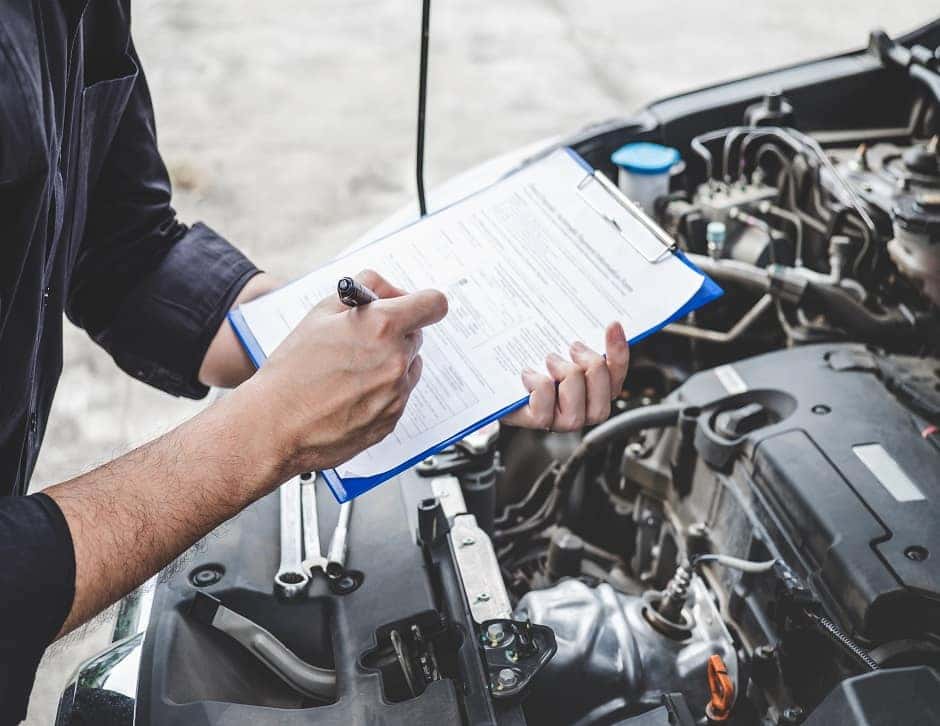
Key Takeaways: Regular Mazda maintenance is essential to keep your car running smoothly and extend its life. When you neglect routine maintenance, it can lead to costly repairs and safety hazards on the road. Regular oil changes, brake maintenance, tire rotation and alignment, air filter replacement, and battery maintenance are crucial maintenance tasks that you should never skip. Each task has specific recommended intervals and guidelines, which you can find in the car owner's manual. Staying on top of these maintenance tasks can save you money in the long run and help you avoid unexpected breakdowns or accidents. Regular Mazda maintenance is essential to keep your car running smoothly and to extend its life. If you neglect routine maintenance, you can spend a lot on repairs and even safety hazards on the road. At Cutter Mazda Waipahu in Waipahu, HI, we understand how important it is to keep your car running at peak performance. Our team of experts provides quality parts and personalized attention to ensure you get the most out of every ride. In this article, we will discuss five essential car maintenance tasks that you should never skip for your Mazda. These tasks include regular oil changes, brake maintenance, tire rotation and alignment, air filter replacement, and battery maintenance. By staying on top of these tasks, you can help ensure that your car remains in good condition and continues to perform at its best. Regular Oil Changes Your vehicle needs oil to keep it running smoothly, but the longer you drive without an oil change, the dirtier and unhealthier your engine becomes. Changing the engine oil in your vehicle is one of the most essential maintenance tasks you can do to keep your vehicle running smoothly. If you drive a Mazda, oil changes should be high on your maintenance list. We recommend checking in with our service pros to make sure your car is running at its best - they'll let you know how often it needs an oil change so that the miles keep rolling by! Mazda Brake Maintenance Brakes are crucial for your car's safety system, so regular maintenance is essential to keep them in good working condition. If you hear any unusual noises when you apply the brakes, or if the brakes feel spongy, it's time to get them checked out. Brake maintenance is essential for several reasons: Safety - the most important reason to maintain your brakes is to ensure your safety and the safety of your passengers. Faulty brakes can cause accidents, leading to severe injuries or even fatalities. Cost-effectiveness - regular brake maintenance can help prevent issues with your brakes, which can be costly to repair. If you fix even little problems early, you can save money in the long run. Longevity - proper brake maintenance can help prolong the life of your brakes, preventing premature wear and tear. Performance - maintaining your brakes can help ensure they function at their best, providing optimal performance and stopping power if you must. Peace of mind - knowing that your brakes are in good working condition can give you peace of mind, allowing you to drive without worrying about potential brake problems. Tire Rotation and Alignment Regular tire rotations and alignments help to ensure that your car handles well, improve fuel efficiency, and extend the life of your tires. Your car's owner's manual will provide specific recommendations for your vehicle. If you want them last, you should let your trusted specialist rotate them so they wear evenly. Worn-out tires are more likely to blow out, do not handle as well as they should, and pose a higher risk in inclement weather. When you replace your oil, you should also rotate your tires. Mazda Battery Maintenance Keep tabs on your car battery for any indication of abnormalities, like corrosion or leakage. It's always better to stay prepared than be caught off-guard by an unexpected dead battery; it could leave you stranded anywhere at any time. While changing your oil, check the voltage of your battery. If you detect a considerable decline in voltage, it may be time to change your batteries. It's a good idea to have it tested by a trusted mechanic such as Cutter Mazda of Waipahu in Waipahu, HI. Air Filter Replacement Maintaining a clean air filter is vital for keeping your vehicle in tip-top shape! As you drive around, particles can accumulate and clog up the filter. To keep your car running smoothly, it should be replaced every 12,000 to 15,000 miles - more often if you encounter dusty environments. It's vital to inspect the air filter each time an oil change takes place too; this keeps impurities from entering into engine systems where they don't belong. In Conclusion These are just a few of the many maintenance tasks you should do to keep your car running smoothly. Regular maintenance can save you money in the long run by preventing costly repairs and extending the life of your vehicle. A Trusted Source of Mazda Maintenance in Waipahu But how can you maintain your Mazda if you do not have any technicians to trust with? The solution to this problem is to come to our dealership here at Cutter Mazda of Waipahu. If you are in Waipahu, HI, or any neighboring areas, you are welcome to visit us, and we will help you to take good care of your car. Our crew of certified Mazda specialists is here to make sure every part in your car gets the best care possible with a genuine OEM replacement straight from the manufacturer! You can call us at 808-564-9560 or stop by our dealership at 94-245 Farrington Hwy, Waipahu, HI 96797. Be our valuable customers and experience the best service you deserve!
How to Care for Your Car Battery
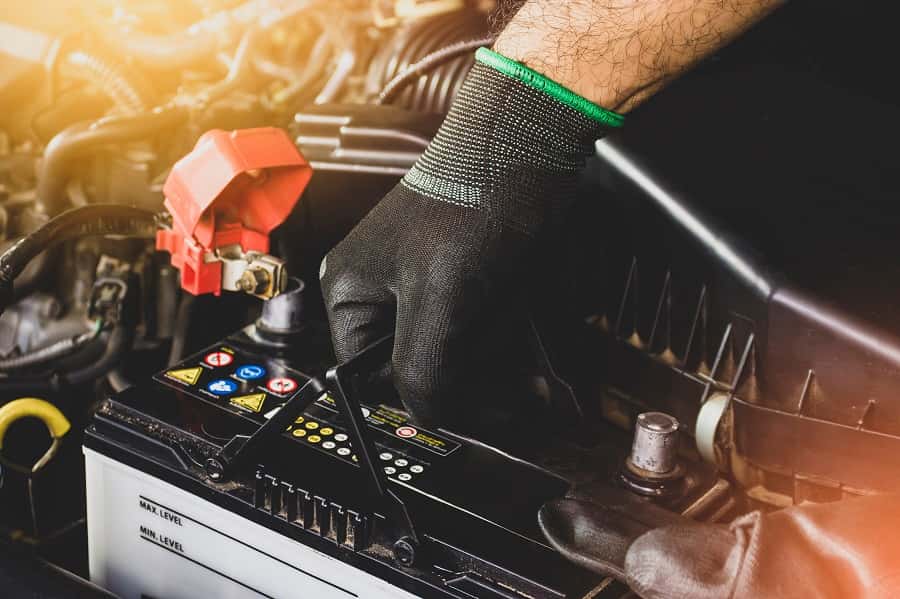
Key Takeaways: It's crucial to maintain a healthy car battery for optimal performance and longevity of your vehicle. Understand the type and capacity of your car battery by researching the correct size for your vehicle and its amperage. Types of batteries include Wet Cell, Dry Cell, AGM, Lithium-Ion, and Nickel-Metal Hydride options. Check terminals and cables regularly for signs of corrosion, then clean with a baking soda solution and brush or cloth. Maintain the appropriate charge level; avoid overcharging to prevent damaging effects on performance and lifespan. Store in a dry place away from extreme temperatures, moisture, and direct sunlight. Acquire a charger specifically designed for the type of battery in your car. As car owners, it's essential to understand the importance of maintaining a healthy and energized car battery. This not only allows you to get around more easily but also ensures that your vehicle will run more efficiently and last longer. At Cutter Mazda of Waipahu, HI, we're your one-stop shop for all battery needs! From replacement and inspection to terminal cleaning services - our technicians have the expertise to ensure that your car's power is running optimally. While many seasoned drivers may have some basic tricks in their back pockets for keeping their battery functioning properly, there are still a lot of common problems that can arise if you don't practice regular upkeep or fail to pay attention to signs that your car batteries are on the decline. Understand Your Car Battery If you understand the type of car battery you have and its capacity, you'll be able to care for it better and avoid common problems. Knowing key factors such as the correct battery size for your vehicle and what amperage the battery is helps provide optimal performance. This can often be found on a sticker affixed to the battery itself if not provided in your owner's manual - so keep this information stored safely, just in case. Battery Types Lead Acid Batteries If you need a battery for your device but can't commit to regular maintenance, then the Dry Cell is perfect for you. Its sealed design means no liquids will ever leak out and it requires zero upkeep from its owner! But if you're looking for something that offers more flexibility, then Wet Cell is definitely worth considering - just be sure not to forget about refilling their removable cap tops with distilled water every now and again so they always stay upright. AMG Batteries AGM batteries are a lead-acid dry-cell type known for their sealed and maintenance-free design. Able to withstand vibration and spills, they're popular with racers and off-roaders. Optima AGM batteries have "six pack" cases with AGM material and reinforced lead sheets. Specifications can be found online by looking up the model number. Lithium-Ion Batteries Automotive lithium-ion batteries are revolutionizing the transportation industry, offering a lightweight and powerful alternative for electric and hybrid vehicles in racing, exotic cars, ATVs, UTVs - even motorcycles. These incredibly efficient power sources provide exceptional capacity despite their compact size. Nickel-Metal Hydride Batteries Nickel-metal hydride batteries were a common sight in the era of electric and hybrid cars, appearing most notably in Toyota Prius, Ford Escape Hybrids, and General Motors EV1s. These batteries provided optimal current requirements for applications that demanded it; however, their reign was relatively short-lived, with lithium-ion designs quickly taking over as the industry standard. Check Your Car Battery Regularly Be sure to check the terminals and cables for signs of corrosion, as this could lead to battery problems down the road. If you notice any rust, start cleaning immediately with a wire brush and baking soda solution. Doing so can help prevent any costly damage or repairs in the future. Cleaning with Baking Soda Cleaning and maintaining your battery terminals help ensure maximum performance of your car's battery - keep them free from rust, corrosion, and grime buildup. Start by using a wrench or pliers to identify the positive side terminal (look for the red cap). Disconnect the negative first and turn both wire bolts counterclockwise before carefully lifting each one. Create a simple baking soda solution with a 1:1 ratio water-soda mixture, then use an old toothbrush or hard-bristle brush; this concoction can help remove gunk buildups due to grease/corrosion. Ensure all terminals are thoroughly cleaned and polished with a damp cloth upon completion. When reconnecting the battery, ensure a safe rewiring process: start with connecting the positive terminal first. Maintain the Right Charge Level Keeping your car battery at the right charge level is essential to avoid issues in the long run. To ensure it's both charged and healthy, make sure your battery has enough electricity, but not too much. Overcharging can have negative effects on its performance and lifespan so be sure to refer to your vehicle's owner's manual or speak with a certified technician for guidelines on charging levels. Store Batteries in a Dry Place One of the most vital tips when storing your battery is to keep it away from extreme temperatures and moisture, as well as direct sunlight. That means avoiding places like garages, sheds, and other forms of storage that may vary significantly in temperature and humidity. Intentionally keeping batteries at room temperature when not actively in use will help them last longer. So choose somewhere that won't expose your car batteries to the elements. Use the Right Charger Most cars come with a specific battery type, and you must use a charger that matches the battery type. If you have an older car, you may need to purchase the correct charger yourself; however, most modern batteries include adjustable settings so they can be compatible with several different charging types. When seeking out a charger for your battery, read the instructions carefully and make sure that you select the correct type for your vehicle. In Conclusion With these simple tips, your car's battery should be able to last a long time, saving you both money and stress. Of course, if something does go wrong and you need to replace the battery in your vehicle, a reputable auto service shop can help. Whether you replace it yourself or go through a shop, remember that quality is key: use one made from high-quality materials for the longest lifespan. Investing in your car now will keep it running like new far into the future! Car Battery Services in Waipahu, HI Cutter Mazda Waipahu is your one-stop shop for all of your Mazda car battery needs. We offer various services, from battery replacement to inspection and terminal cleaning. Our team is dedicated to providing you with the best possible service, and we will work hard to get you the perfect battery for your car. We also offer a wide range of other services, so come by and let us take care of all of your Mazda cars needs. Contact us today!
Electric Cars: How Long Do You Need to Charge Them?
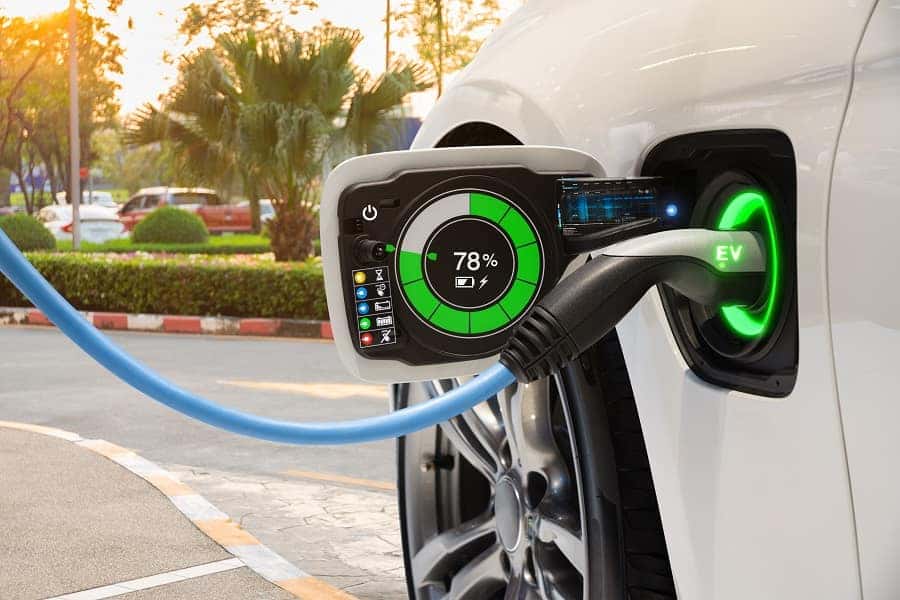
Key Takeaways: Electric cars power their wheels through an onboard charger which converts AC electricity to DC and is powered by a traction battery. Typical modern cars have an internal combustion engine and liquid fuel components such as a fuel pump, fuel line, or fuel tank. Charging times vary depending on the level of charging- Level 1 (slowest) requires 2-3 days, Level 2 (mid-level) in 4-10 hours, and Level 3 (fastest) takes 20 minutes to 1 hour. Factors such as temperature, time of day, and desired charge capacity can also affect charging time. Thinking of getting an electric vehicle? Learn more about the charging process from our experts at Cutter Mazda Waipahu in Waipahu, HI. From cars to SUVs, there's a wide range of options out on the market - but what sets electric vehicles apart? Discover why EV is your top choice and how it works when you power up! Electric Cars Versus Typical Modern Cars An electric vehicle has an electric motor. It uses a large traction battery to power the electric motor that drives its wheels. Typical modern cars have an internal combustion engine. This heat engine takes advantage of fuel combustion in a specialized chamber to create an efficient and effective flow cycle, where the air is used as the oxidizing agent. An electric vehicle needs to be connected to charging equipment. An onboard charger takes the incoming alternative current (AC) electricity supplied via the charge port and converts it to direct current (DC) power for charging the traction battery. It communicates with the charging equipment and monitors battery characteristics: voltage, temperature, and state of charge while charging the pack. Since it is electrically powered, this vehicle releases no exhaust from a tailpipe. On the other hand, typical modern cars contain usual liquid fuel components, such as a fuel pump, fuel line, or fuel tank. Owners of non-electric vehicles are used to their driving and fueling routine. One big issue here, however, is the time consumed in having these vehicles charged. Owners of electric cars have already adapted their charging time which does not cause them problems; a big adjustment is to be measured for consumers who are about to buy an electric car. How Long Do You Need to Charge Electric Vehicles? Rather than doing the same old fueling routine for your modern car, one option is to convert it to an electric vehicle. Charging Site People who own electric vehicles or even prospective buyers may find it hard to look for charging stations simply because they are not all the same. They come into different levels. In addition to that, there are also other confusions just as sorting out different battery types and plug sizes. Where do you charge your electric vehicle? There must be a specific place where electric vehicle owners are comfortable. As mentioned, charging sites differ in their levels which refer to their charging speed, cost (purchase and installation), and the infrastructure required to sustain the system). Each level's precise metrics will vary according to vehicle, provider, and infrastructure. Level 1 The slowest and the simplest is level 1. It provides charging through a regular household 120-volt (120V) AC outlet. Level 1 chargers can take two to three days or 40-50 hours to charge a battery electric vehicle from unfilled and 5-6 hours to charge a plug-in hybrid electric vehicle from unfilled. Though it is the slowest, it is also the cheapest because they are just like your average household outlet. Level 2 The next level is Level 2. This level is the most common. You may find them in your workplaces, public areas, and individual homes. This equipment charges through 240V (residential) or 208V (commercial) electrical service. This level can charge a battery electric vehicle from unfilled in 4-10 hours and a plug-in hybrid electric vehicle from unfilled in 1-2 hours. Level 2's charging speed is practical enough for most users, while being affordable and only requiring those infrastructures that are found almost anywhere. Level 3 The fastest speed is direct current fast charging (DCFC) equipment, or Level 3. It enables speedy charging along heavy-traffic halls at connected stations. DCFC equipment can charge a battery electric vehicle up to 80 percent in just 20 minutes to 1 hour. This kind of fast charging requires high-end infrastructure that is not always seen in residential areas. Which Charging Level is Appropriate for You? For most owners of electric vehicles, the best bet is to install a level 2 charger. Take a pit stop at any level 2 charger - experience rapid power to get your electric vehicle on its way. Don't worry; you'll be ready for the road in no time. The speed of a level 3 site allows owners to charge within the same amount of time it would to fill a full gas tank. Electric Vehicle Battery Capacity Not all electric vehicle batteries are created equal. Some lower-cost electric vehicles have enough range for most drivers' daily needs, while other luxury models boast a range that rivals or exceeds many traditional gas-powered cars. If the battery is large, it takes more time to charge. As the demand for creating faster charging solutions increases, the battery capacity also increases electric vehicle charger capacity. While the charging station delivers power to the electric vehicles, a charger attached to the electric battery-operated vehicle converts the power to the battery. A large battery fitted with a small battery charger would take a long time to charge regardless of the power source at the charging site. That is why luxury electric vehicles with large batteries are generally paired with onboard battery chargers that quickly receive and convert the power from the power station. Other Factors Other factors like temperature, time of day, and desired charge capacity also determine how long it takes to charge an electric vehicle. Temperature extremes can have a considerable impact on charge time, with both high and low temperatures resulting in prolonged times. Also, many electric vehicle manufacturers recommend keeping your battery in an optimal battery range to maximize life. Charging to full capacity is rarely required-save time and only charge as much as necessary. All of these should be well-thought-out when owning an electric vehicle. Expensive or not, the bottom line is, are you patient enough to wait for your car to charge so it brings you to your desired destination? Electric Cars at Cutter Mazda Waipahu Cutter Mazda Waipahu in Waipahu, HI, is committed to offering the latest, eco-friendly technologies for car buyers and leasing customers. Electric cars are becoming increasingly popular, as they are a great way for drivers to reduce emissions and save money on fuel costs. For more information, contact us at (808) 564-9900.